
How Lighting Affects Your Mood and Productivity
Lighting does much more than brighten a room. It influences how we feel, think, and interact with our surroundings. Whether you're working from home, unwinding after a long day, or gathering with family, the right lighting can make all the difference.
Natural light is one of the most powerful design elements. Exposure to daylight helps regulate our body's internal clock, improves mood, and can even increase focus and productivity. That's why spaces with large windows and plenty of sunlight often feel more energizing and inviting.
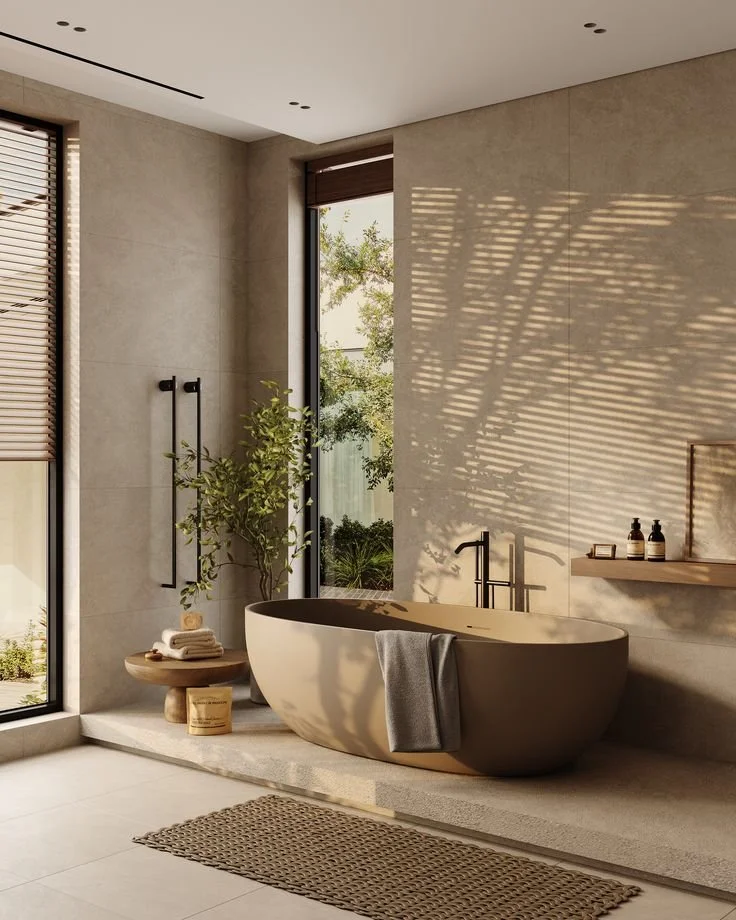
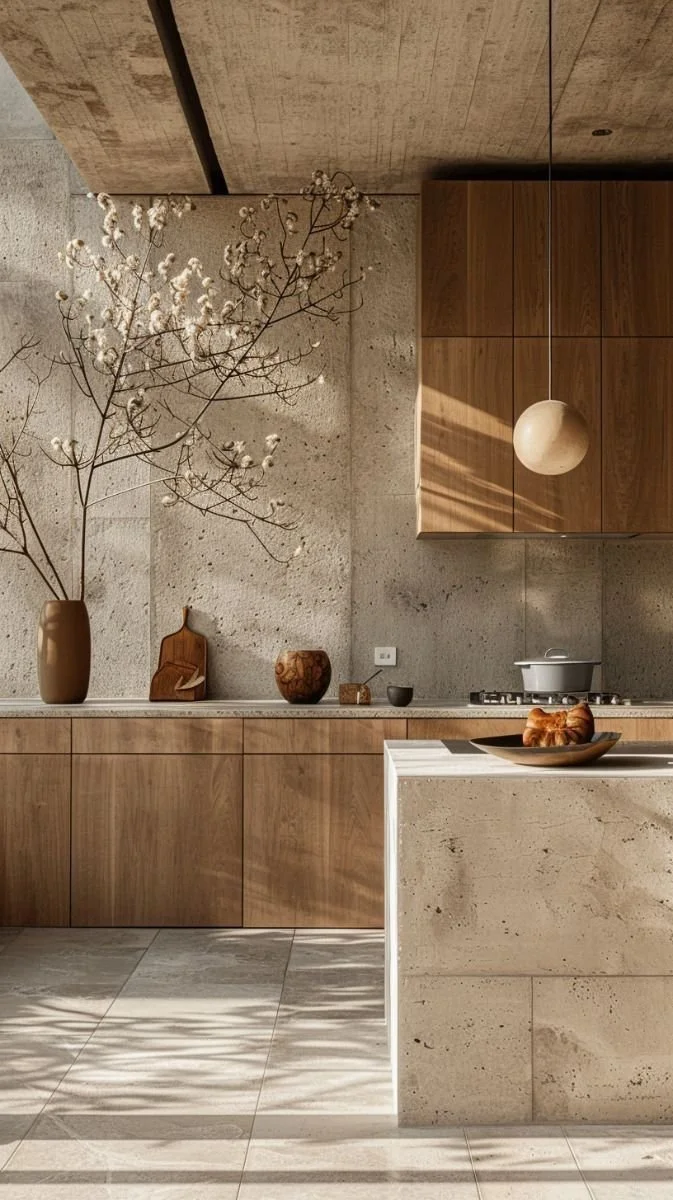
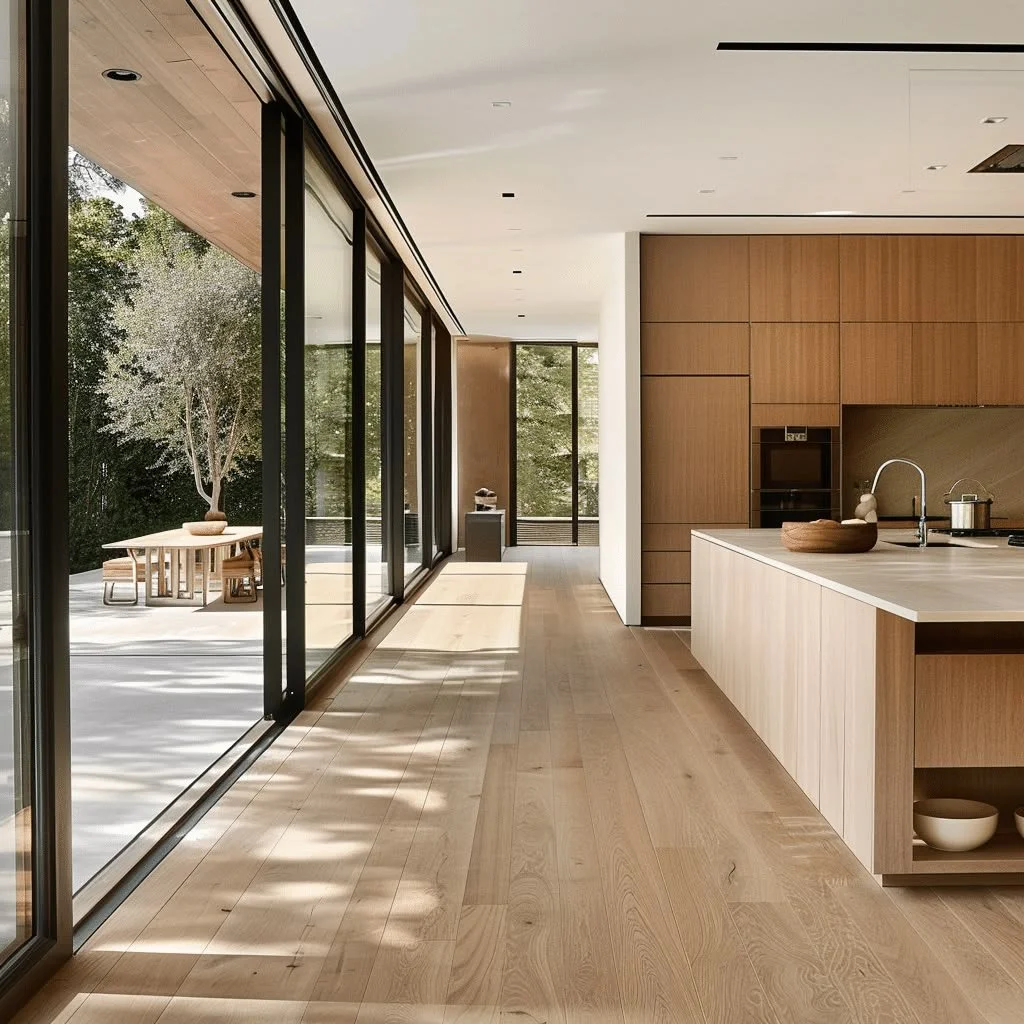
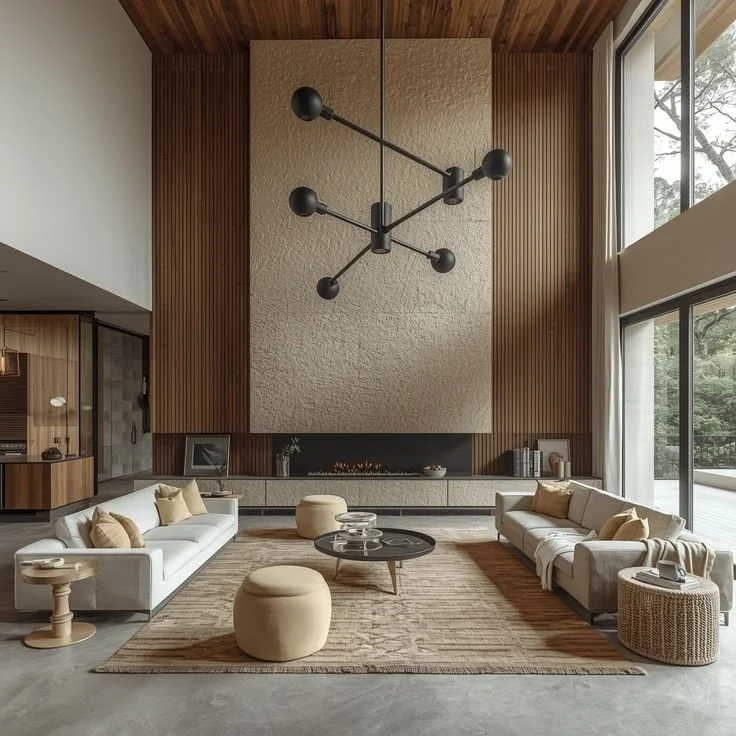
Examples of Natural LightArtificial lighting is just as important. Bright, cool-toned lighting is ideal for home offices, kitchens, and workspaces where concentration and visibility are key. In contrast, warm lighting creates a cozy, relaxing atmosphere that's perfect for living rooms, bedrooms, and dining areas. Matching the lighting to the purpose of the space helps create an environment that supports your daily activities.
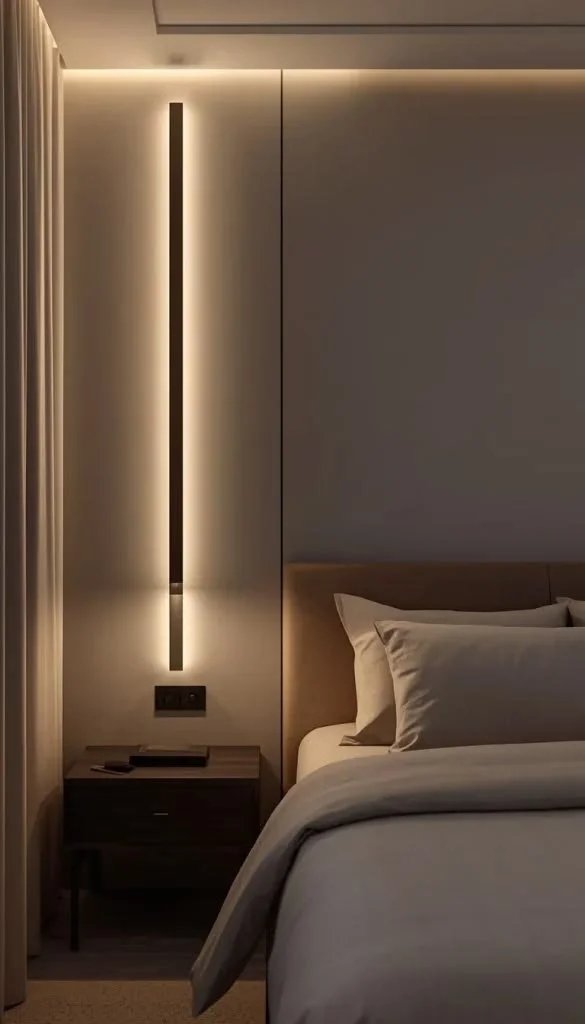
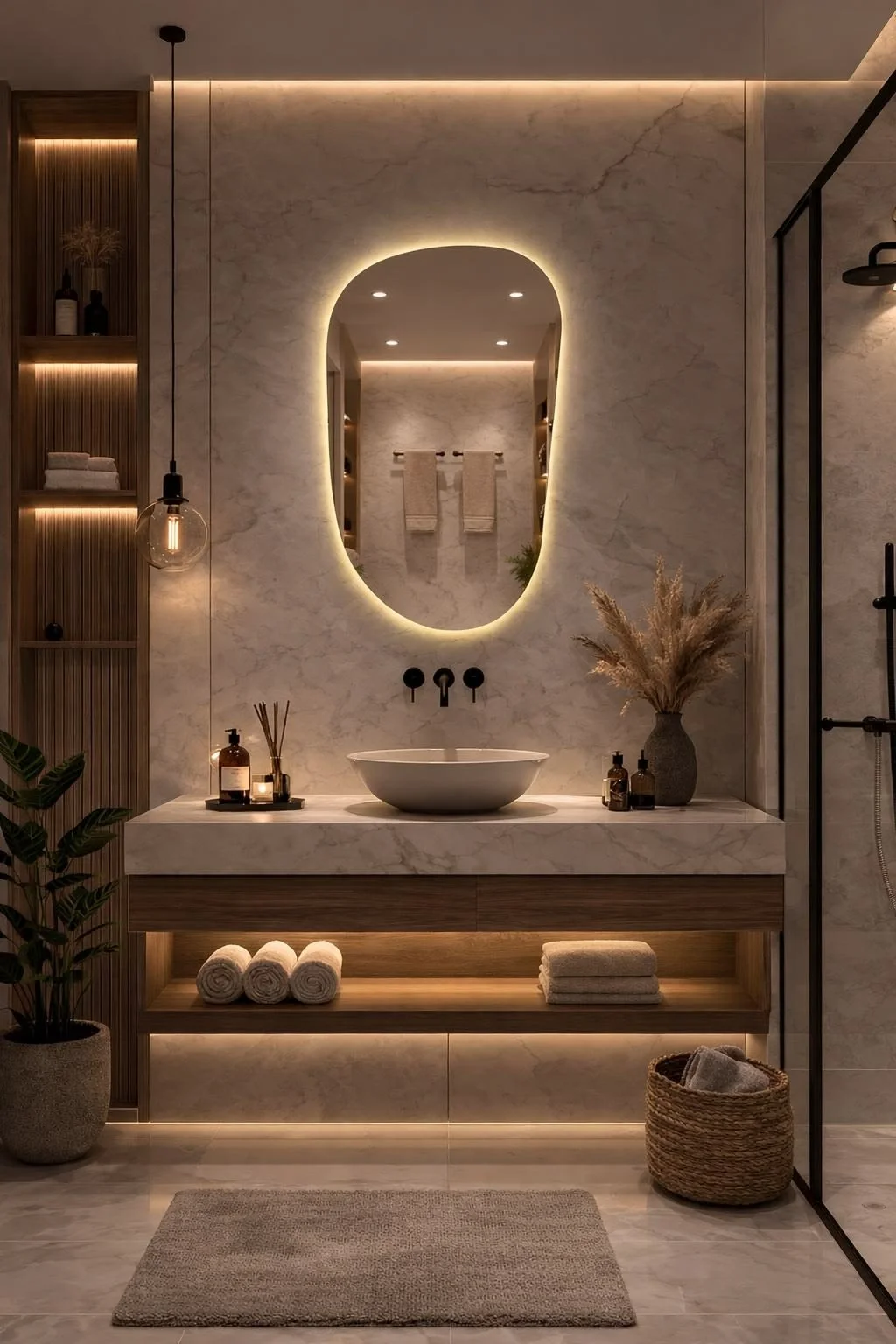
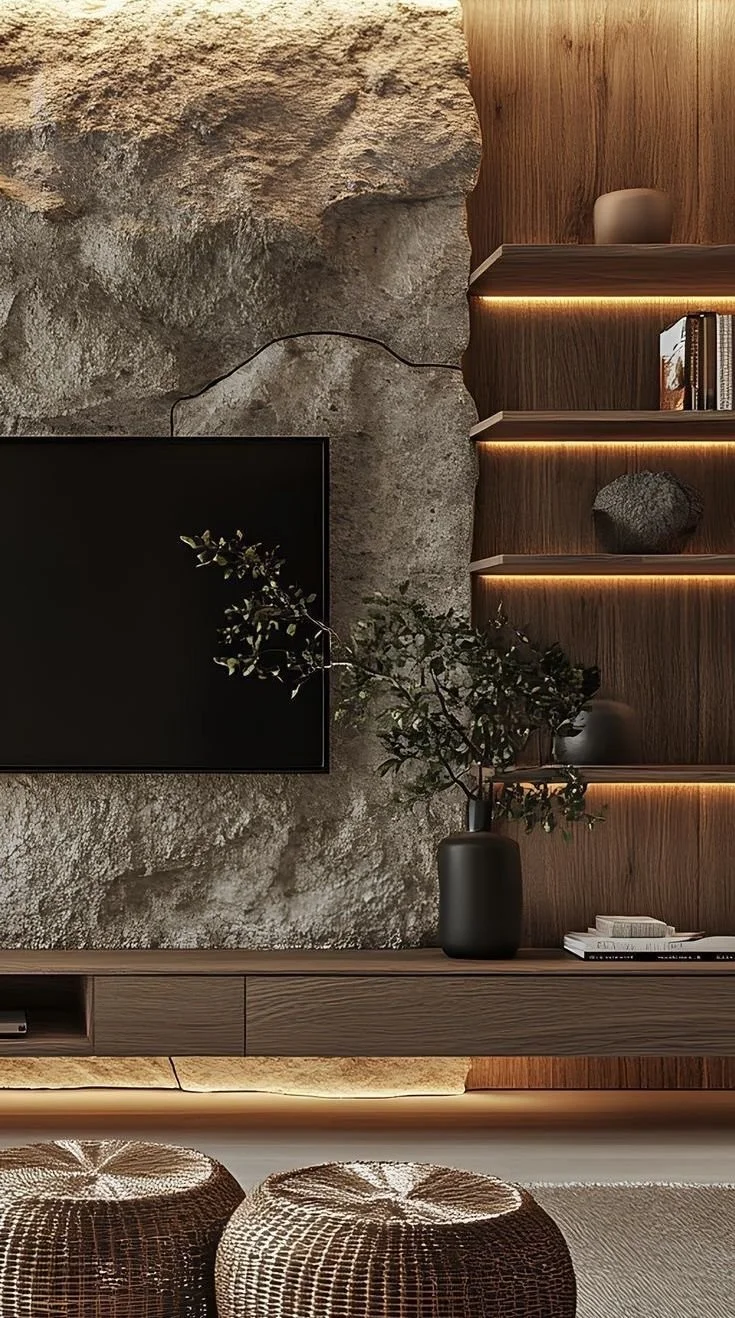
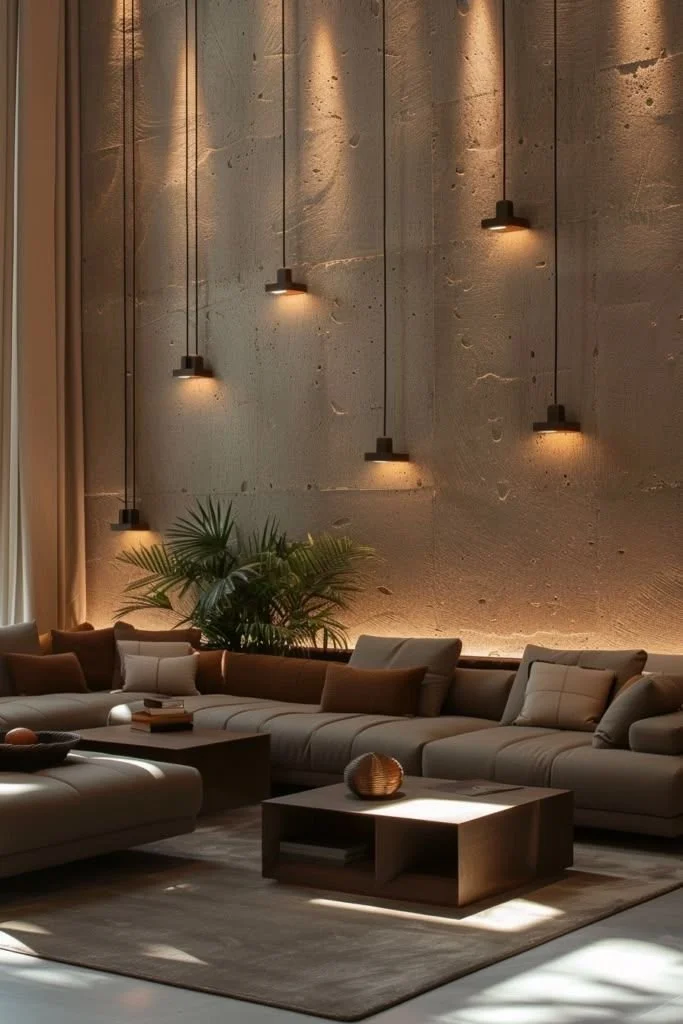
Examples of Artificial and Indirect LightingLayering different types of lighting is another essential design strategy. Ambient lighting provides overall illumination, task lighting helps with specific activities like reading or cooking, and accent lighting highlights artwork, architectural details, or decorative features. Together, these layers add depth, flexibility, and visual interest while allowing a room to adapt throughout the day.
At the end of the day, great lighting isn't just about aesthetics—it's about enhancing the way you live. Thoughtfully designed lighting can boost productivity, improve your well-being, and create spaces that feel both beautiful and functional.