Alcazaba of Málaga: Where History Inspires Design
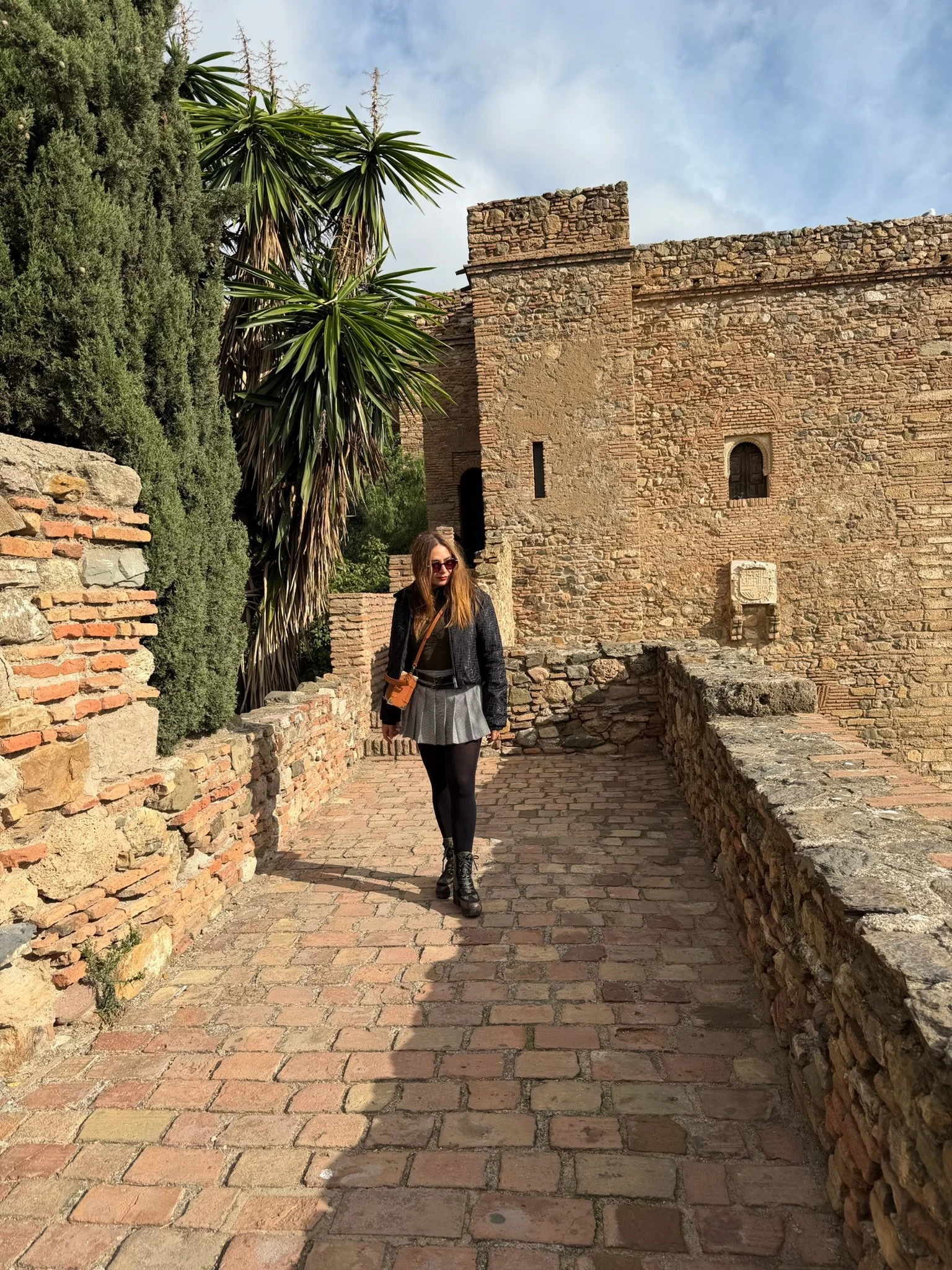
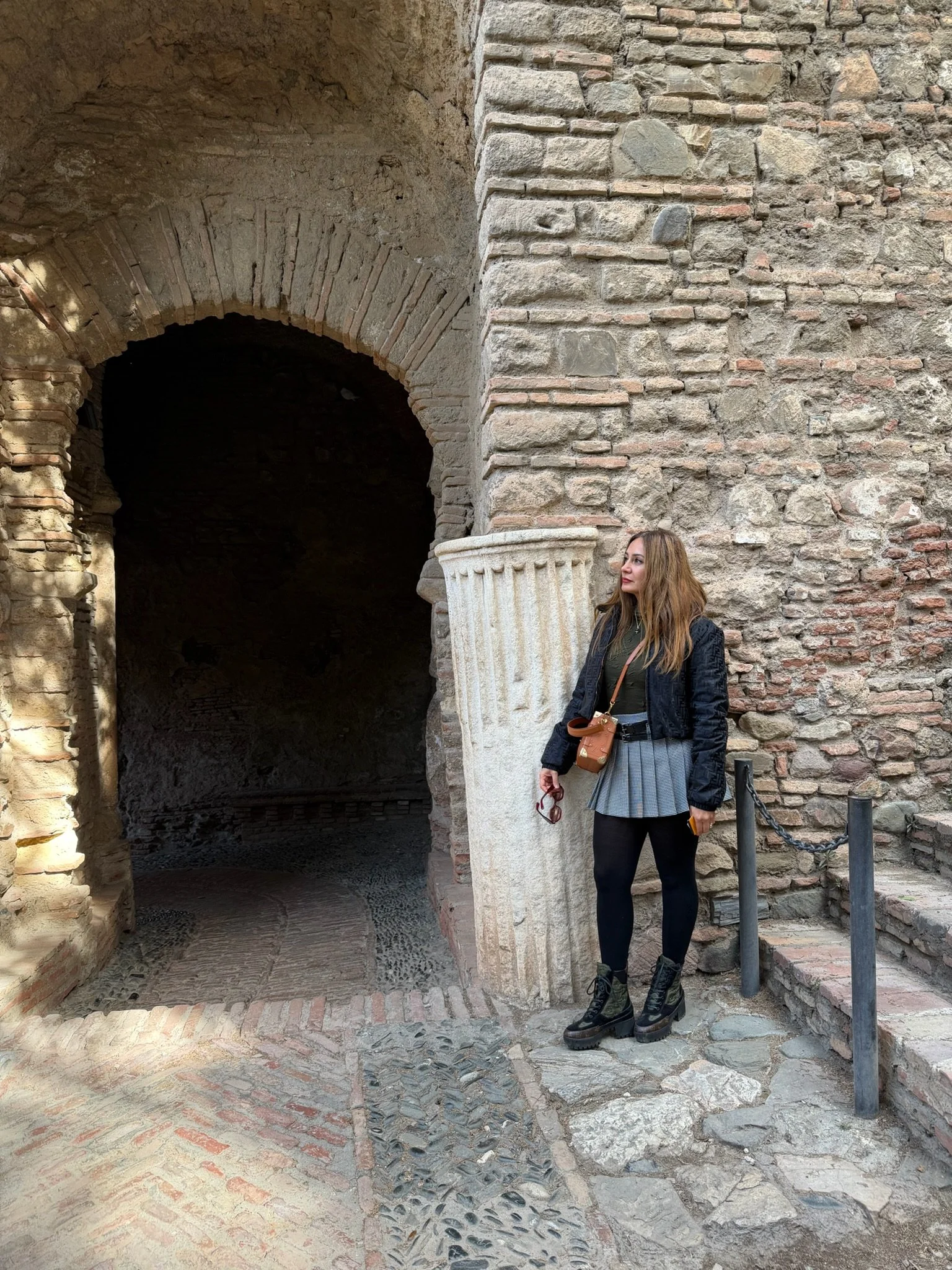
Some of the greatest design inspiration comes from stepping outside of our everyday surroundings and experiencing different cultures. Travel allows us to see how history, architecture, and local traditions shape the spaces people inhabit, often influencing the way we think about design today.
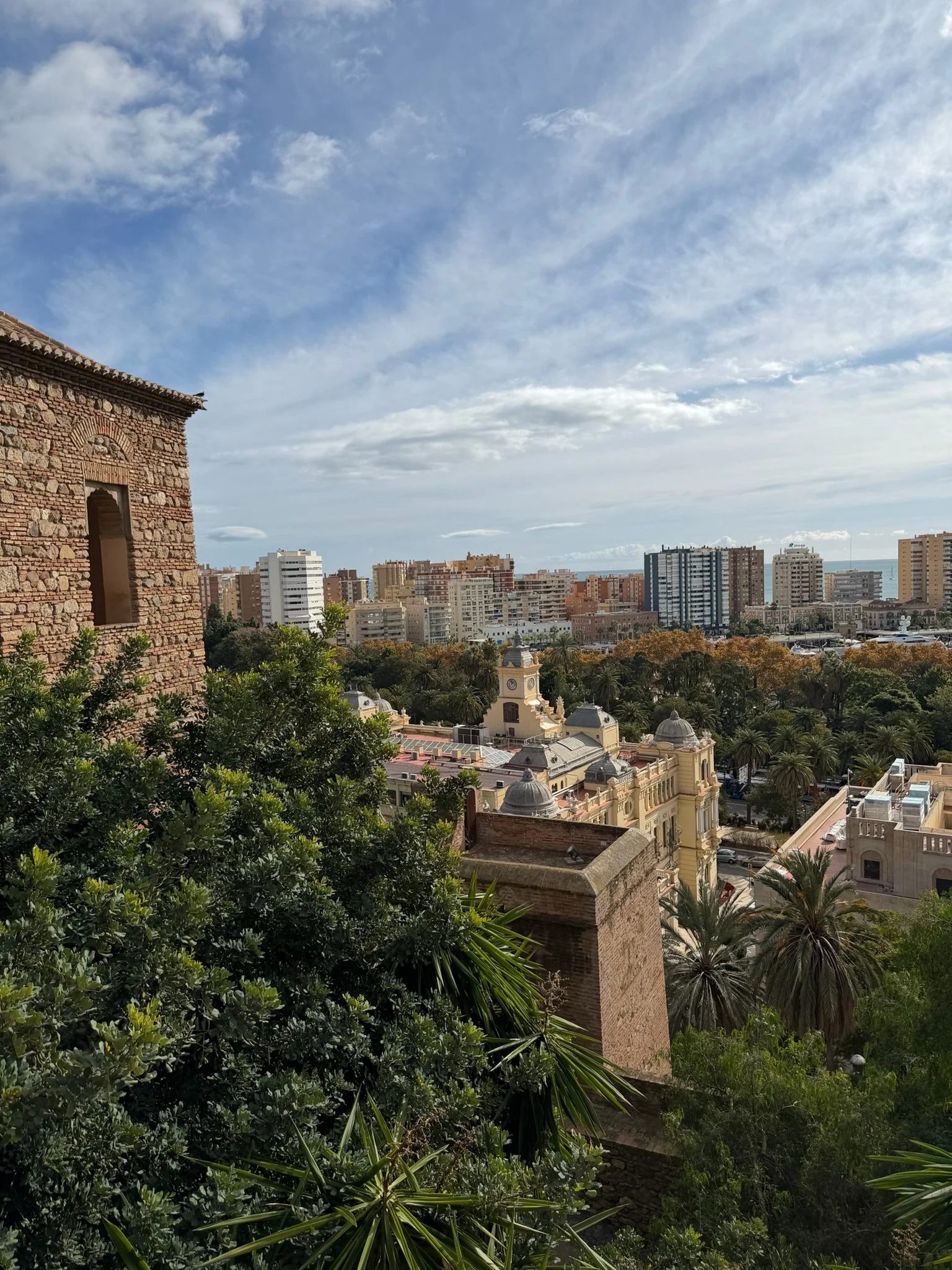
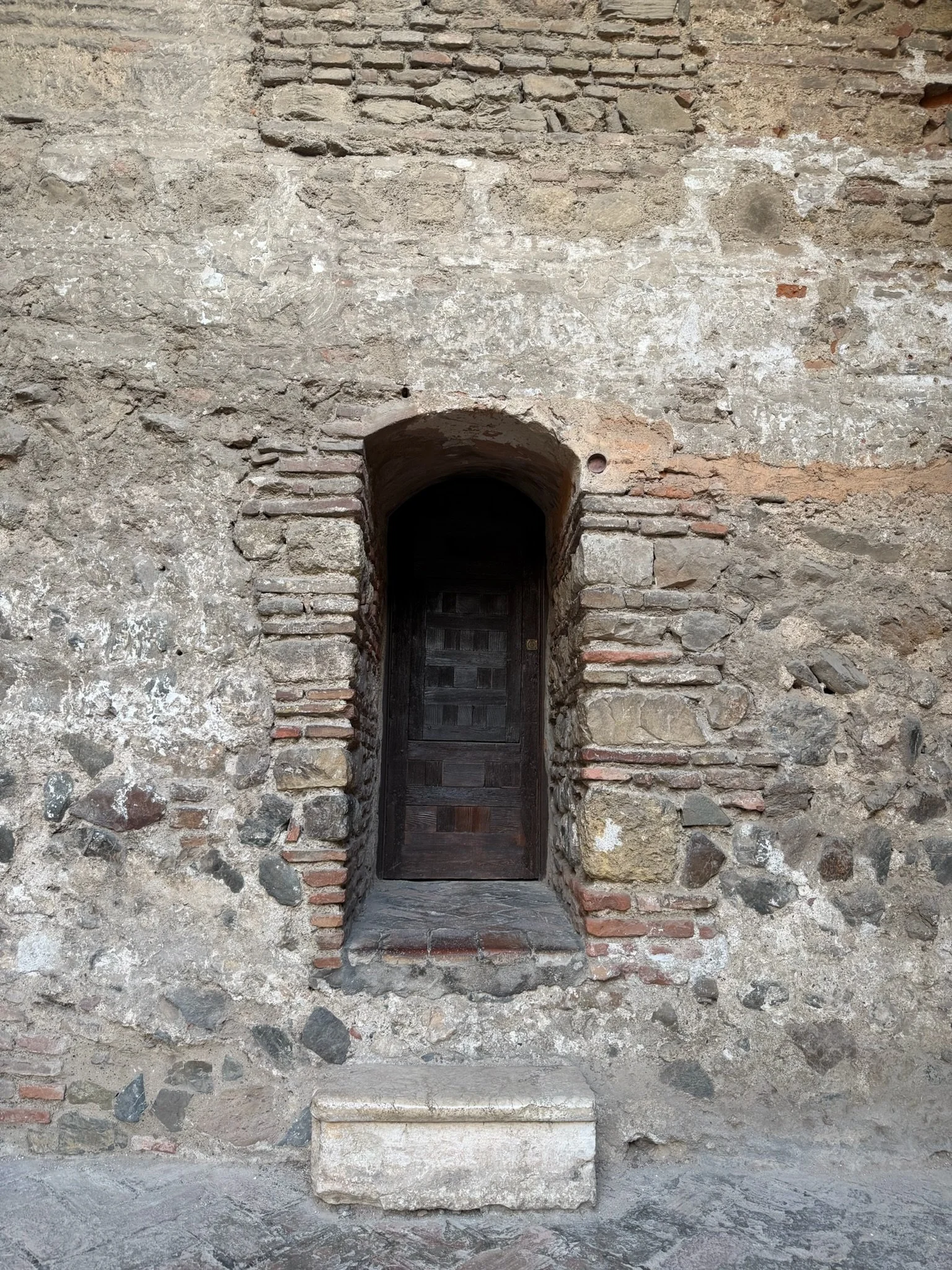
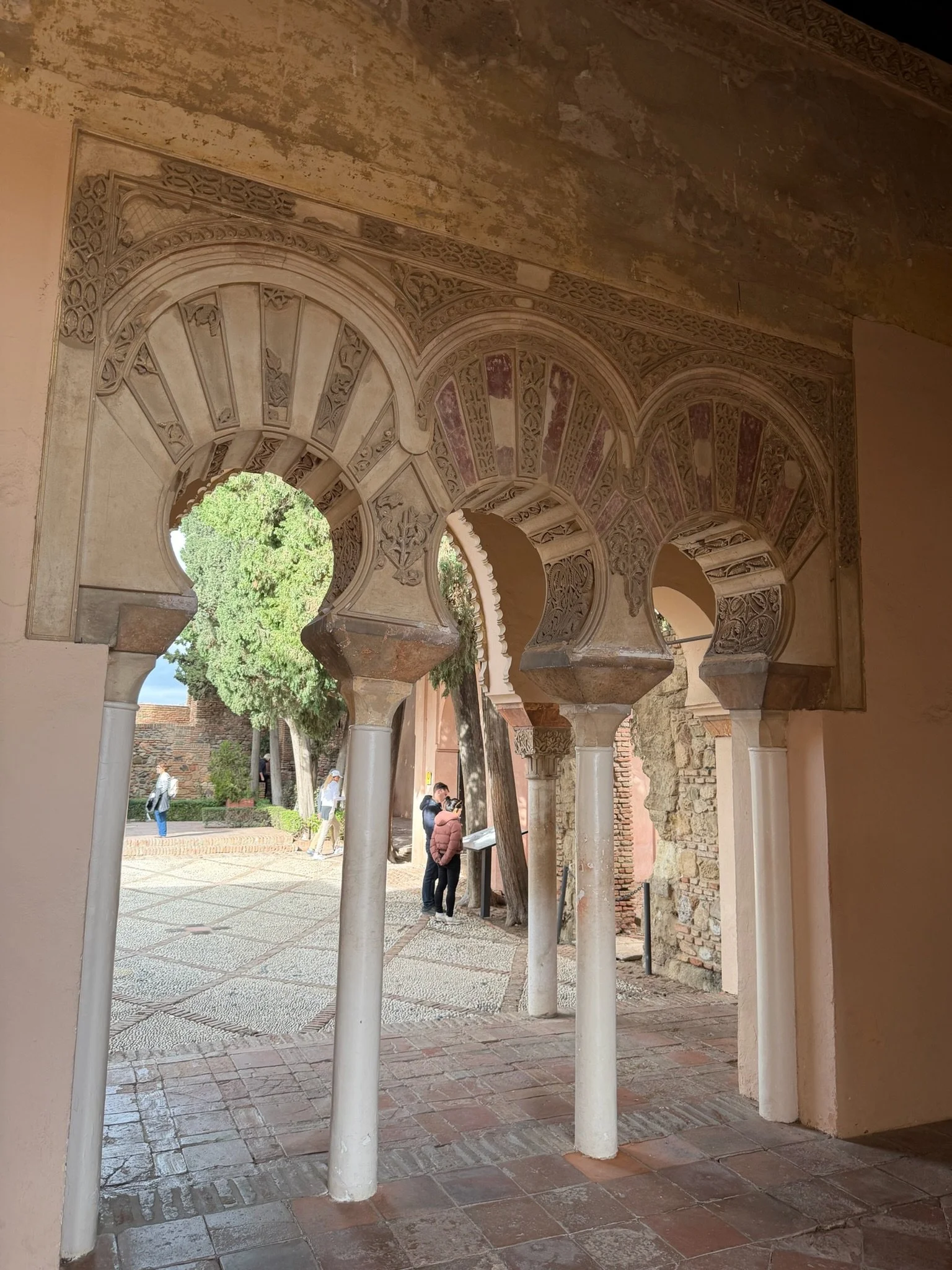
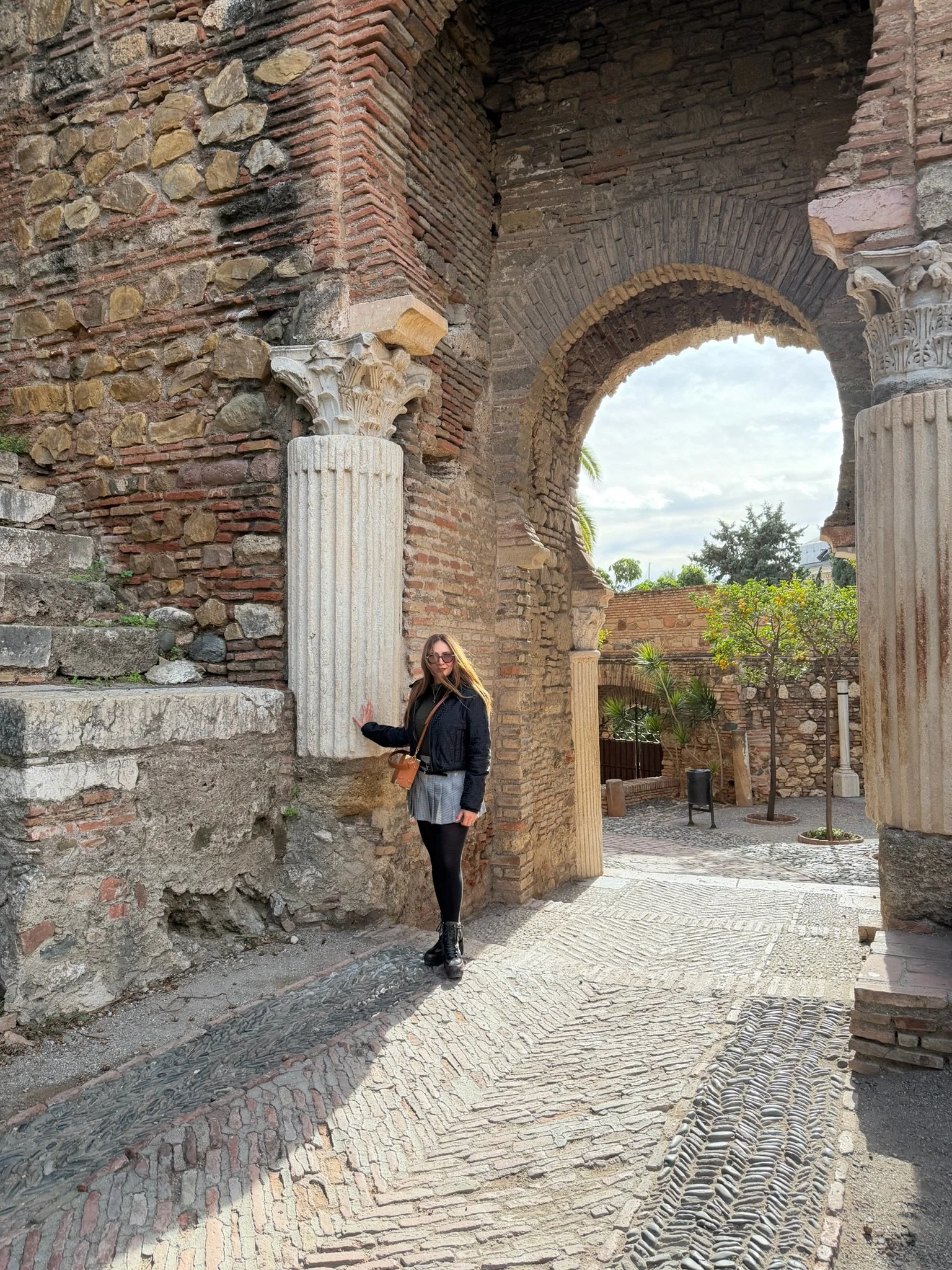
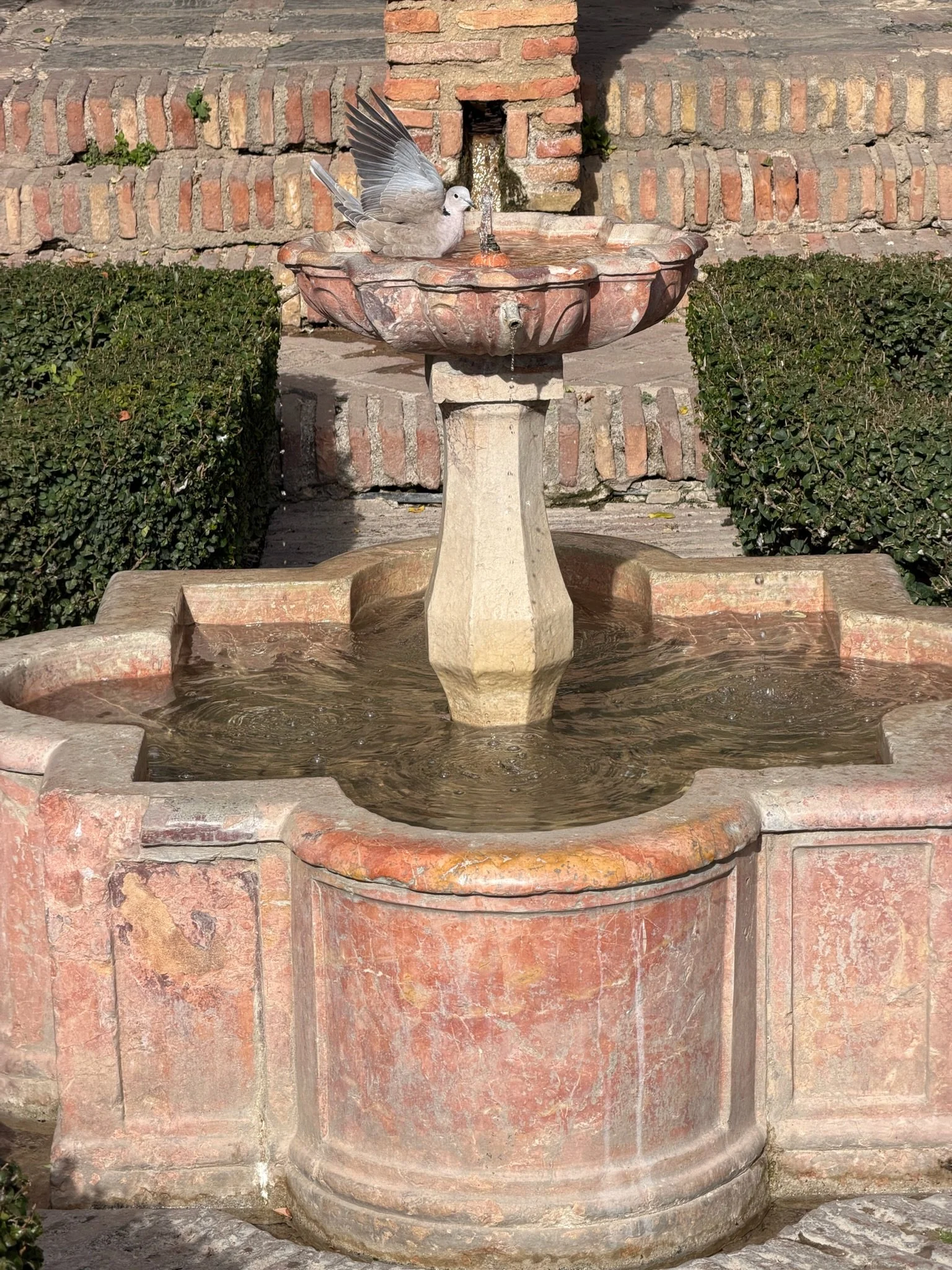
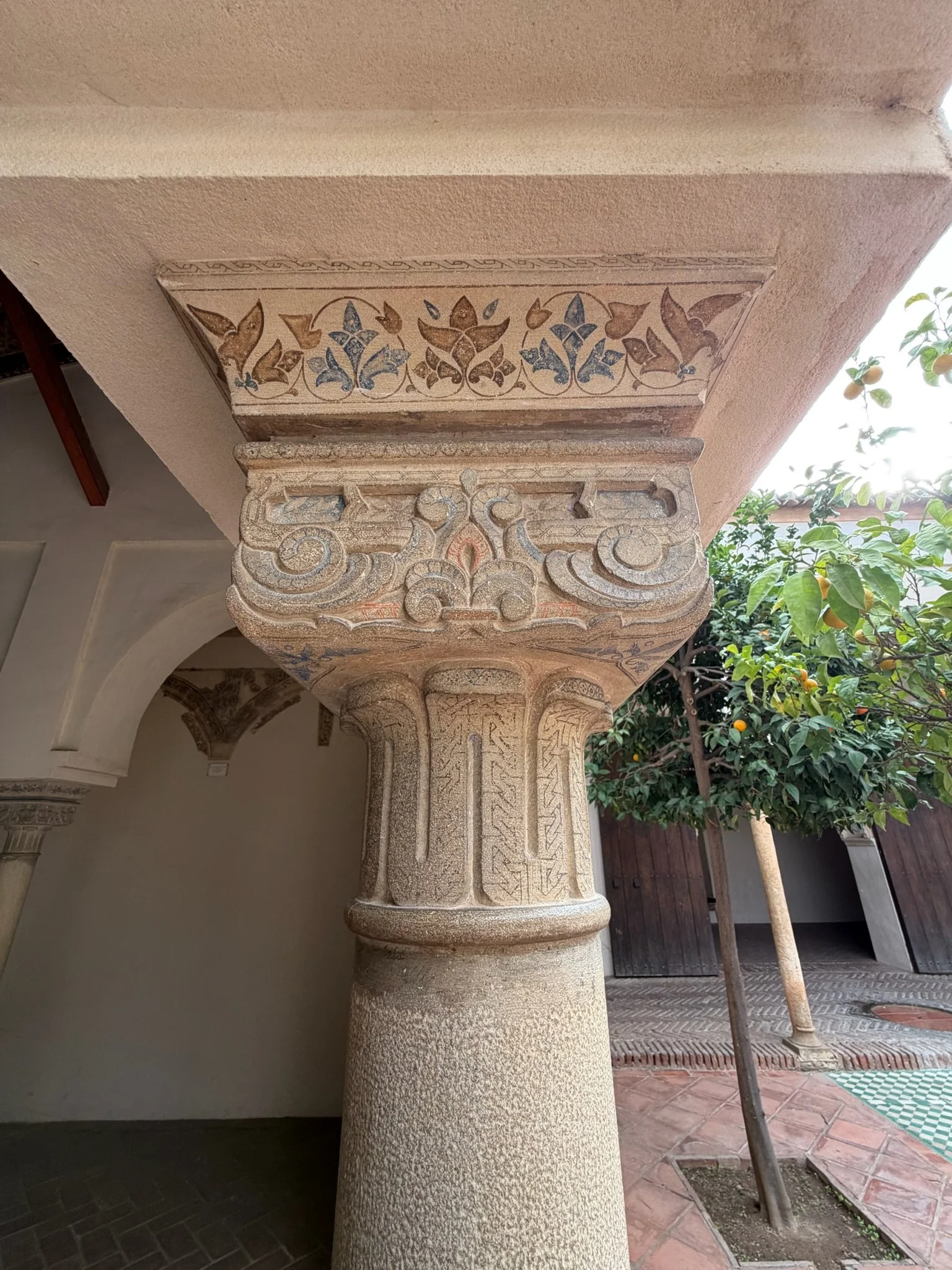
One remarkable example is the Alcazaba of Málaga, Spain. Built during the 11th century under Muslim rule, the fortress is a beautiful example of Islamic architecture, where every detail was thoughtfully designed to create harmony between beauty and function. Graceful horseshoe arches, intricate geometric patterns, carved stone, peaceful courtyards, and flowing water features all work together to create a sense of balance and tranquility.
Rather than relying on lavish ornamentation alone, Islamic design emphasizes rhythm, symmetry, natural light, and the connection between indoor and outdoor spaces. Gardens, fountains, and shaded courtyards provide moments of calm, while carefully framed views guide visitors through the architecture, creating an experience as much as a destination.
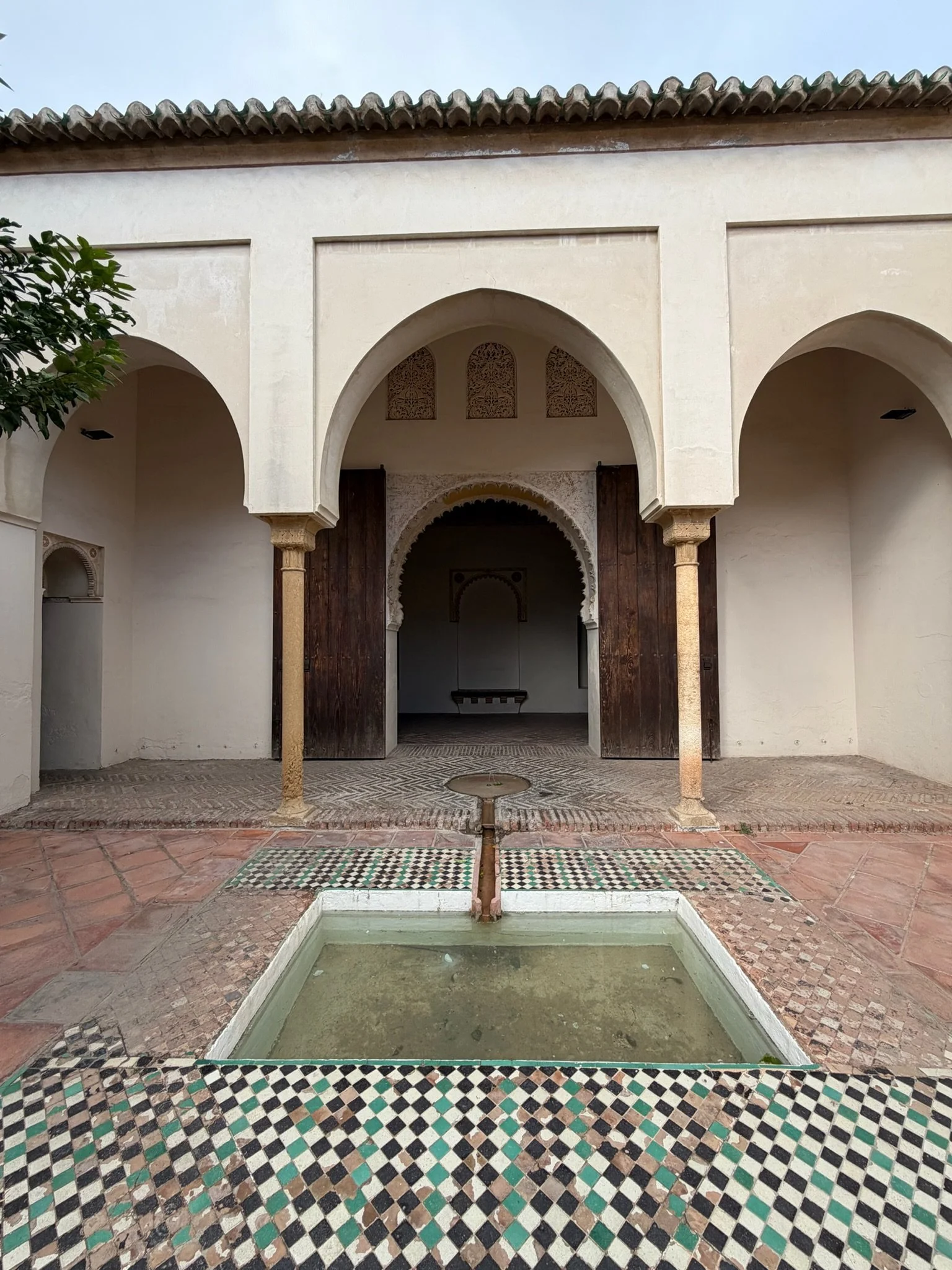
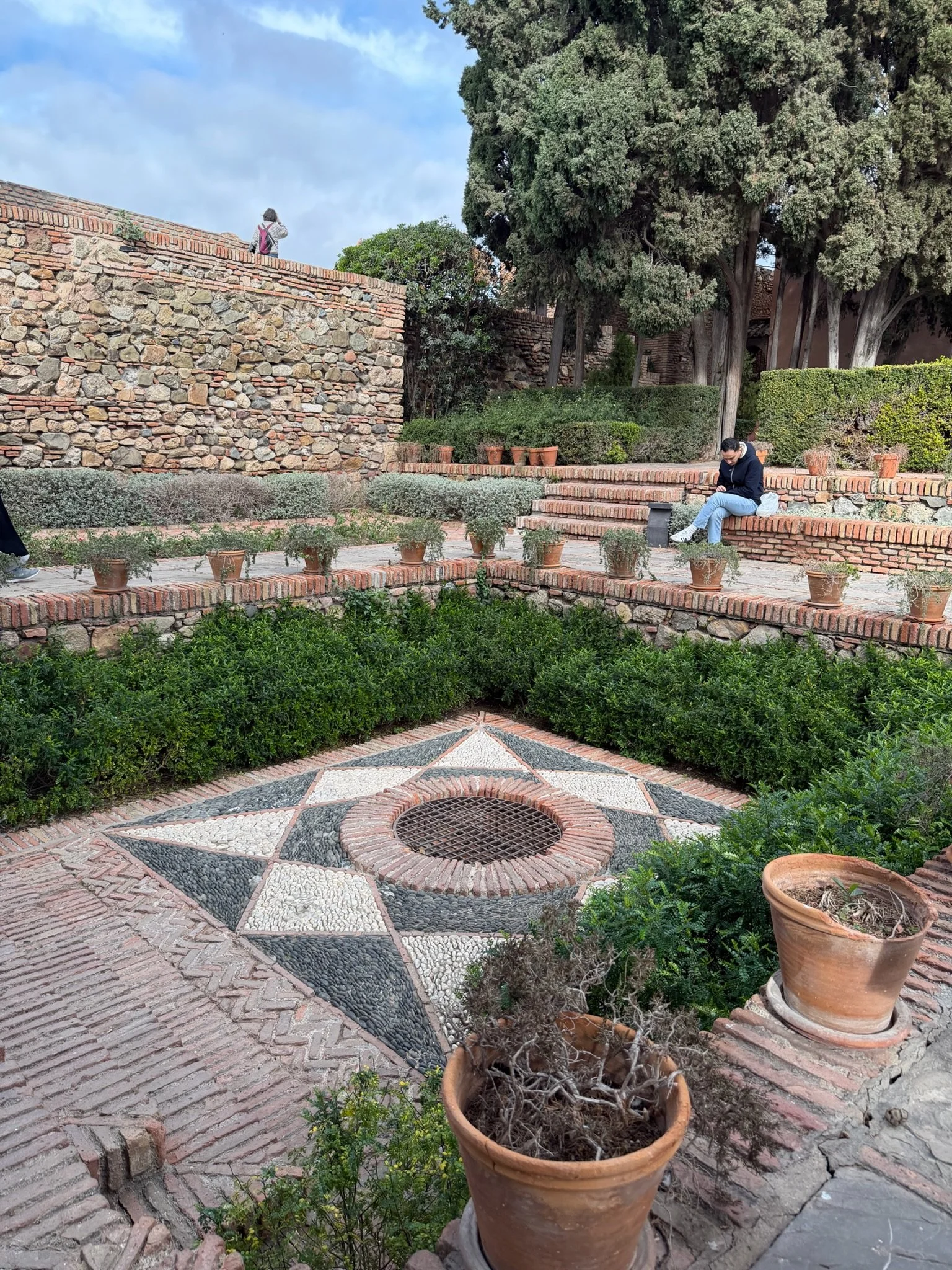
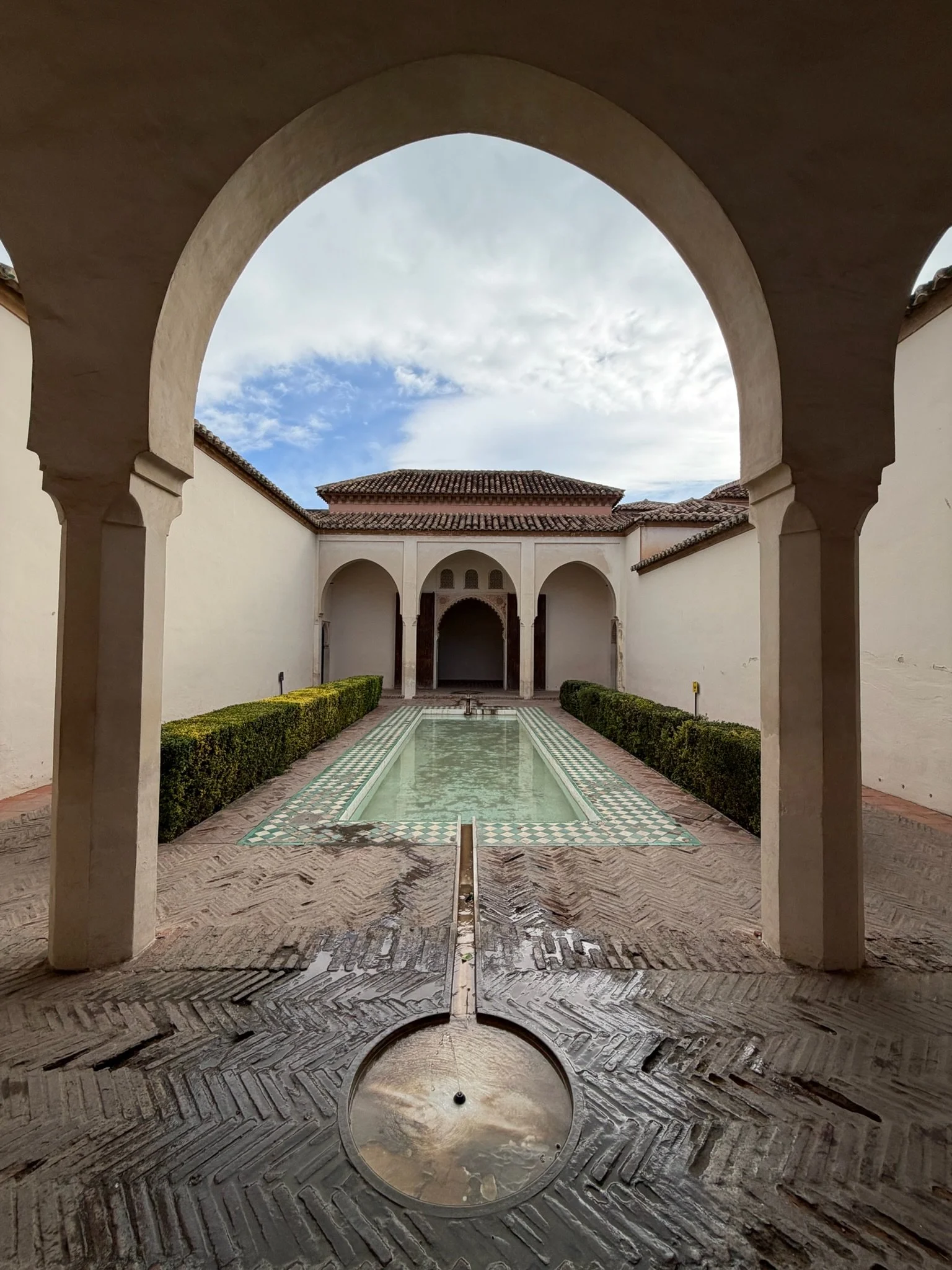
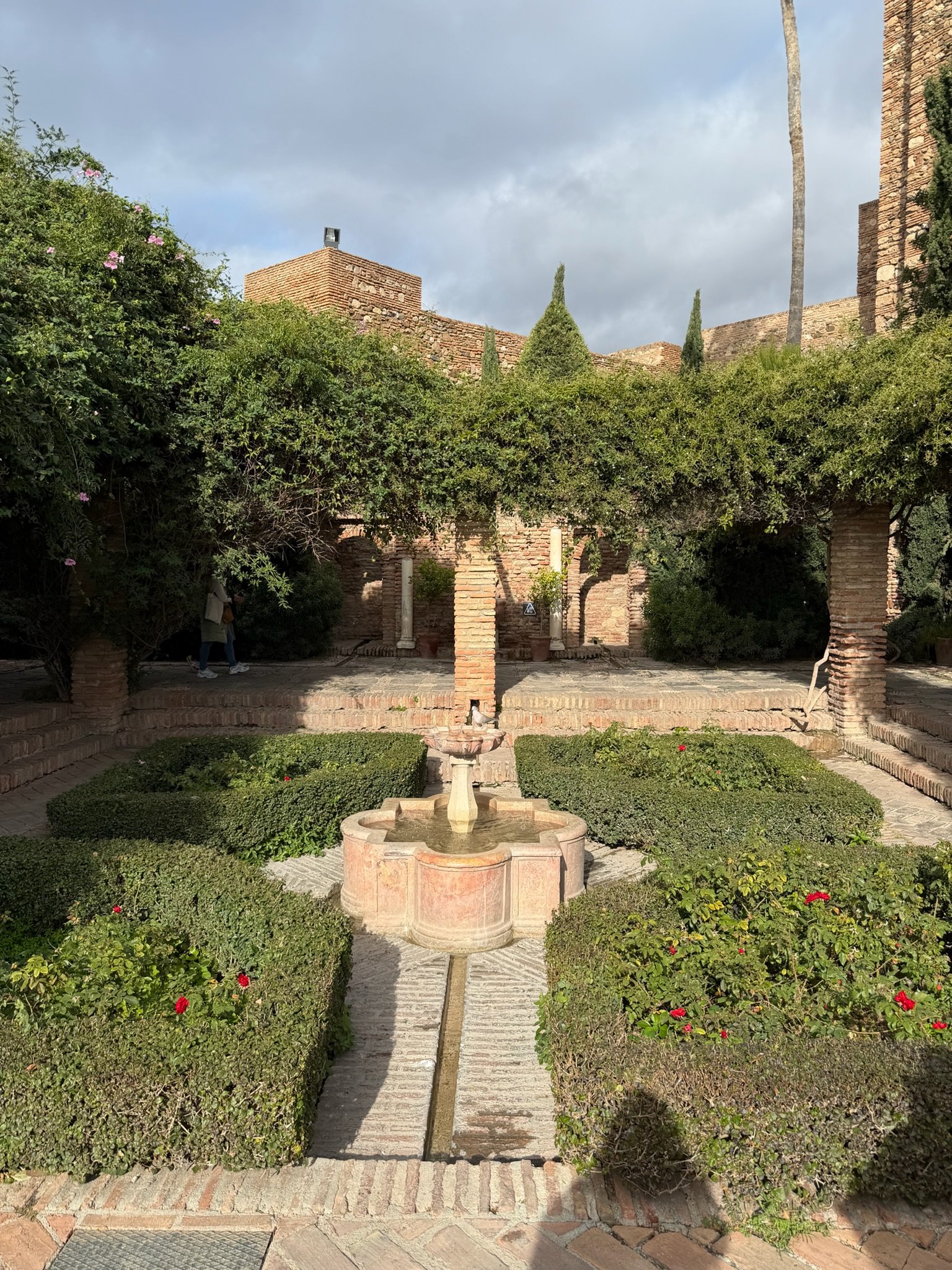
Places like the Alcazaba remind us that great design is timeless. By exploring different cultures and architectural traditions, we gain a deeper appreciation for the ideas that continue to influence interiors today—from natural materials and thoughtful space planning to the seamless integration of nature and architecture. Sometimes, the best inspiration for designing tomorrow's spaces comes from traveling through history.