
Mixing Warm and Cool Tones Successfully
Creating a beautiful interior is all about balance, and one of the most effective ways to achieve harmony is by blending warm and cool tones. While these two color families may seem like opposites, when used thoughtfully, they can work together to create spaces that feel inviting, balanced, and full of personality.
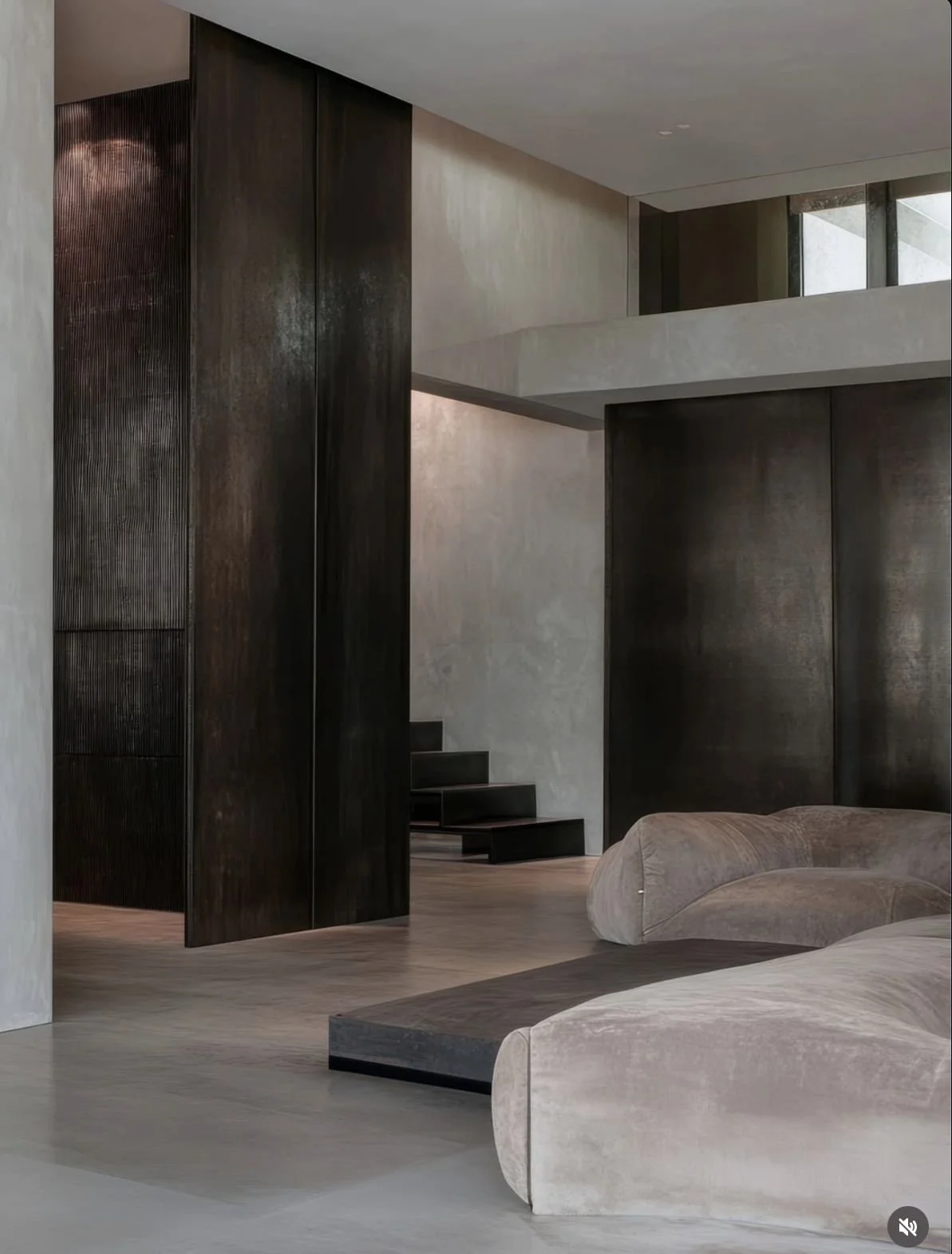
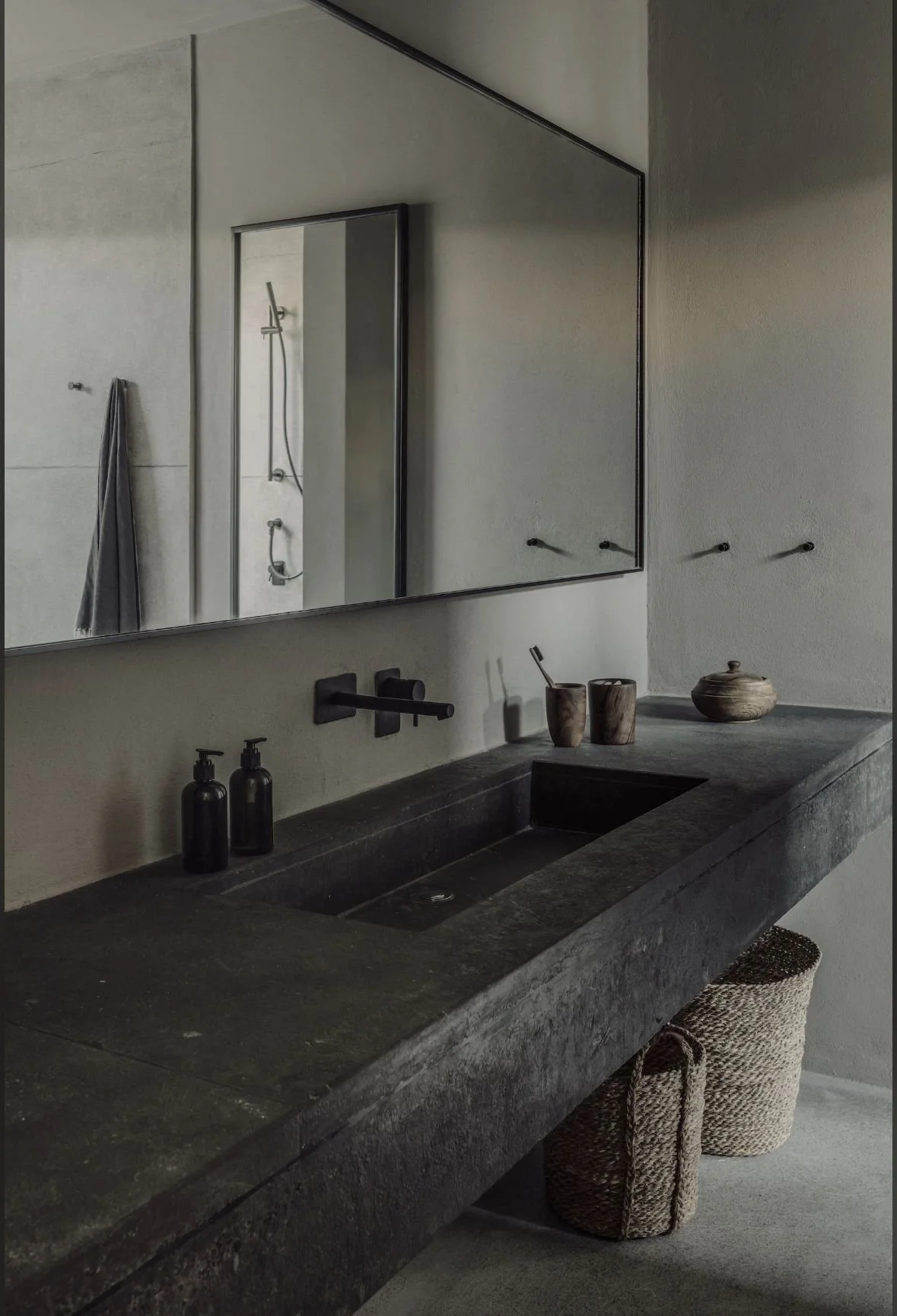


Warm tones, such as beige, terracotta, caramel, warm wood, and soft yellows, bring a sense of comfort, energy, and coziness to a room. They naturally create an inviting atmosphere and can make a space feel more intimate. Cool tones, such as blues, greens, grays, and crisp whites, add a sense of calm, freshness, and sophistication. They can help a room feel open, peaceful, and refined.
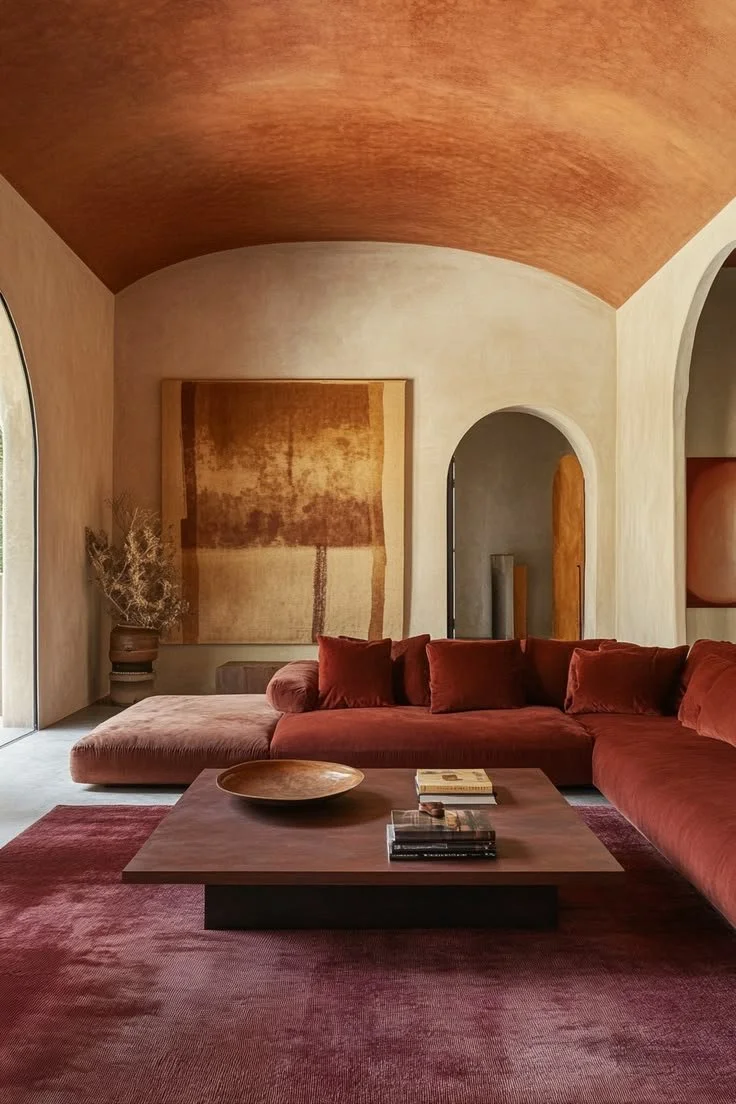
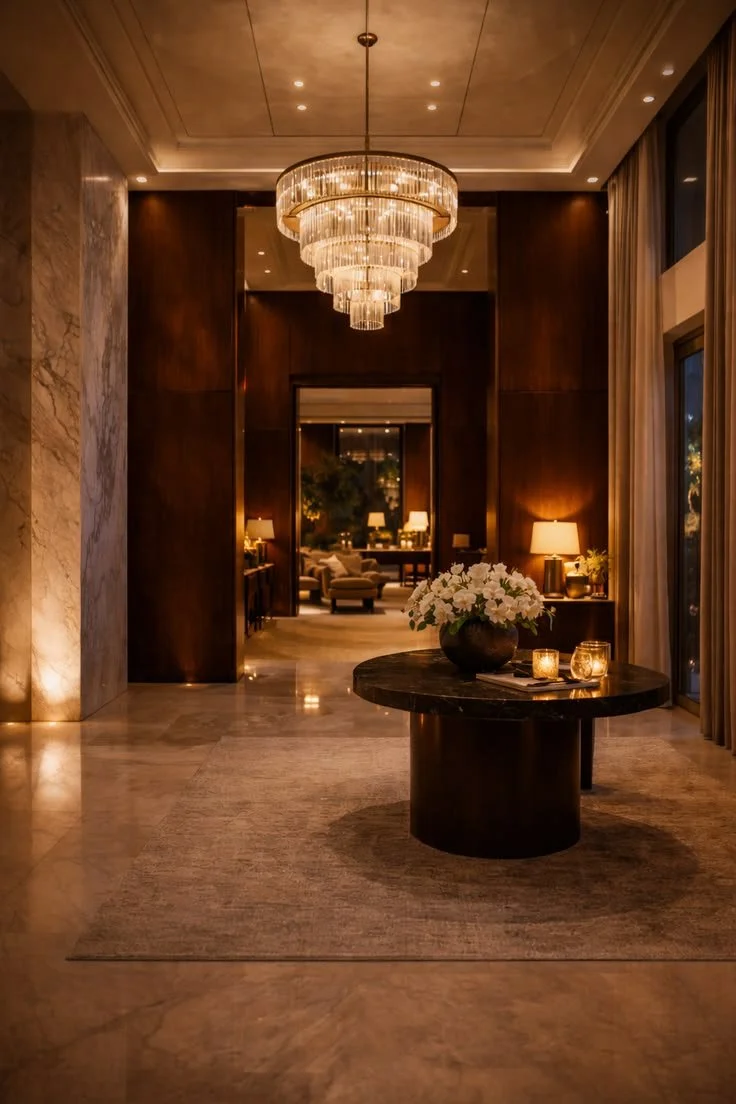
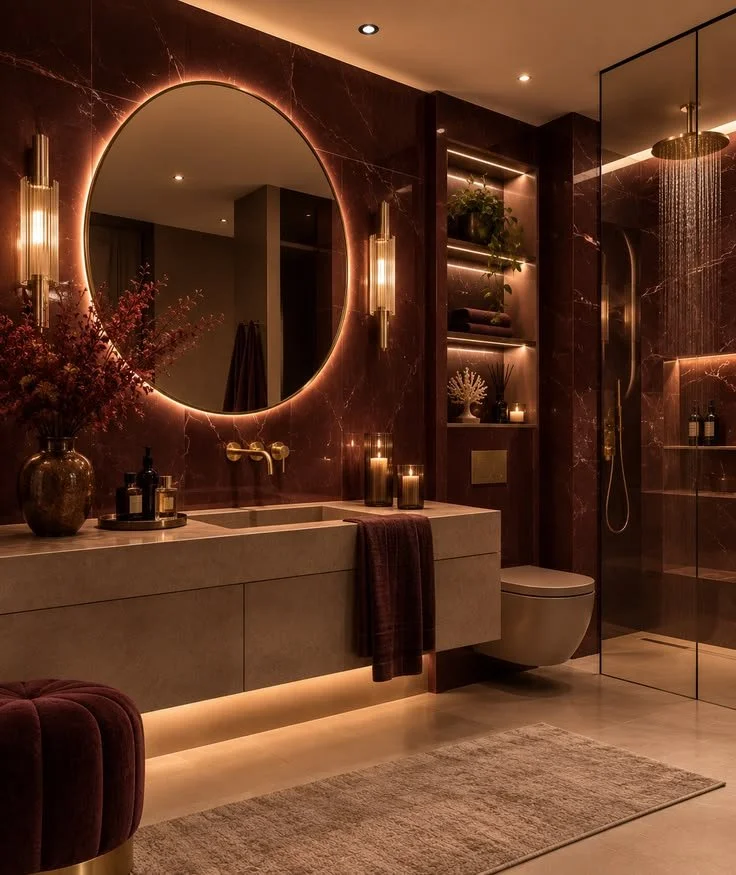
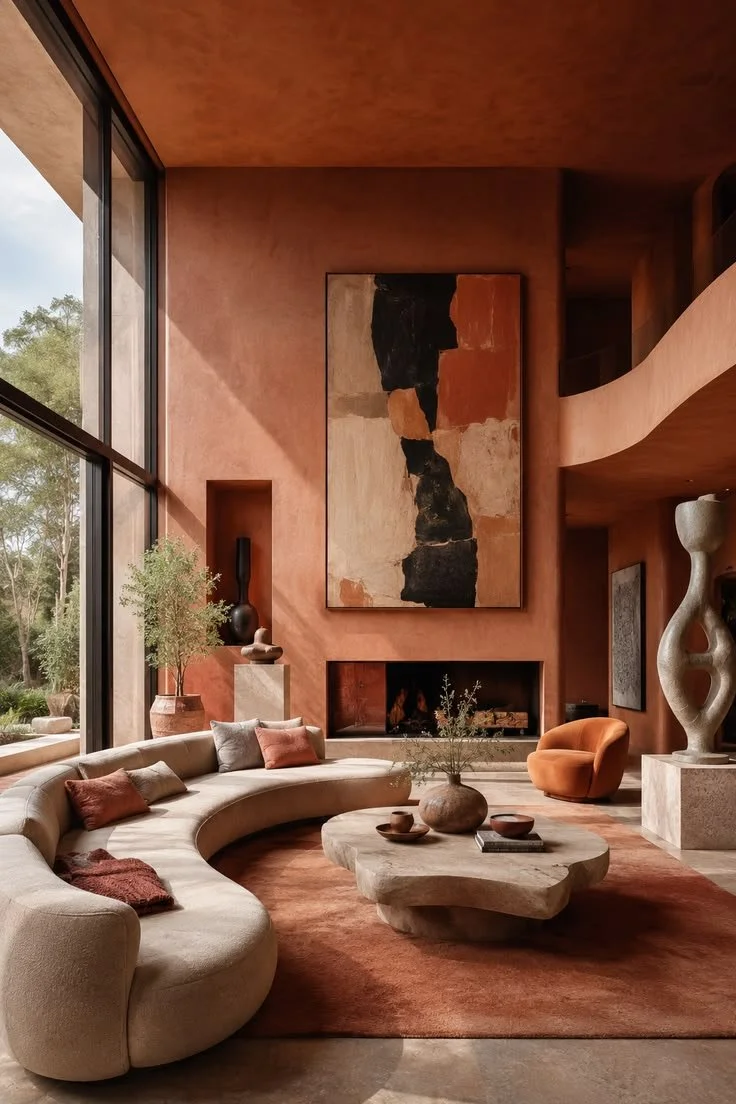
The key to successfully combining warm and cool tones is finding the right balance. Instead of separating them into different areas, consider how they can complement each other. A cool-toned blue sofa can feel warmer when paired with a natural wood coffee table, while a room with warm beige walls can be refreshed with cool stone surfaces or green accents.
Materials and textures also play an important role in balancing color temperature. Natural elements like wood, stone, metals, and textiles can help bridge the gap between warm and cool tones. For example, brushed brass accents can add warmth to a cool palette, while marble or glass can bring a sense of lightness to a warmer space.
Another approach is to choose one dominant temperature and use the opposite as an accent. A warm, neutral space can be enhanced with cool artwork or accessories, while a cool, modern interior can feel more welcoming with layered fabrics, wood tones, or soft lighting.
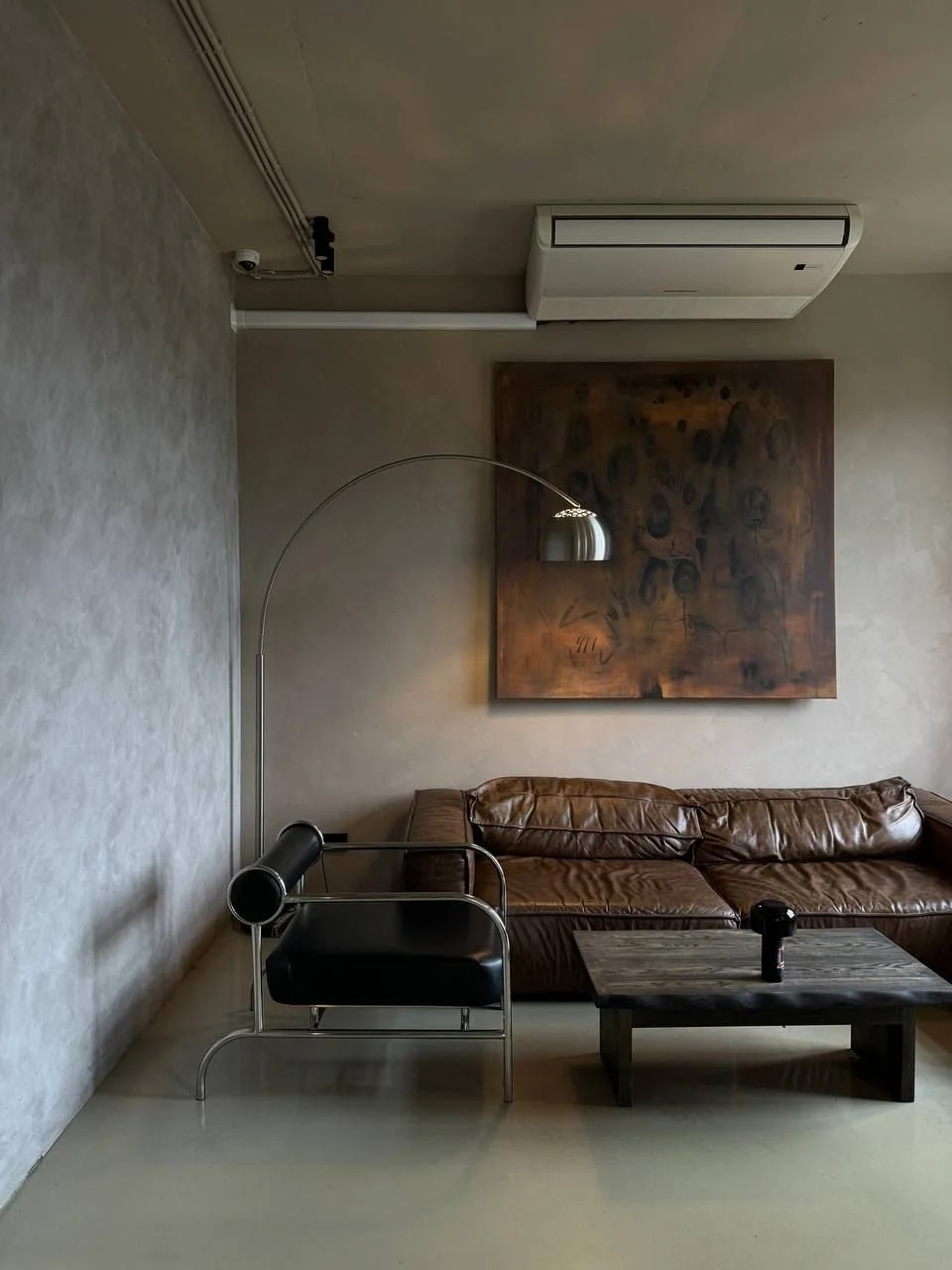


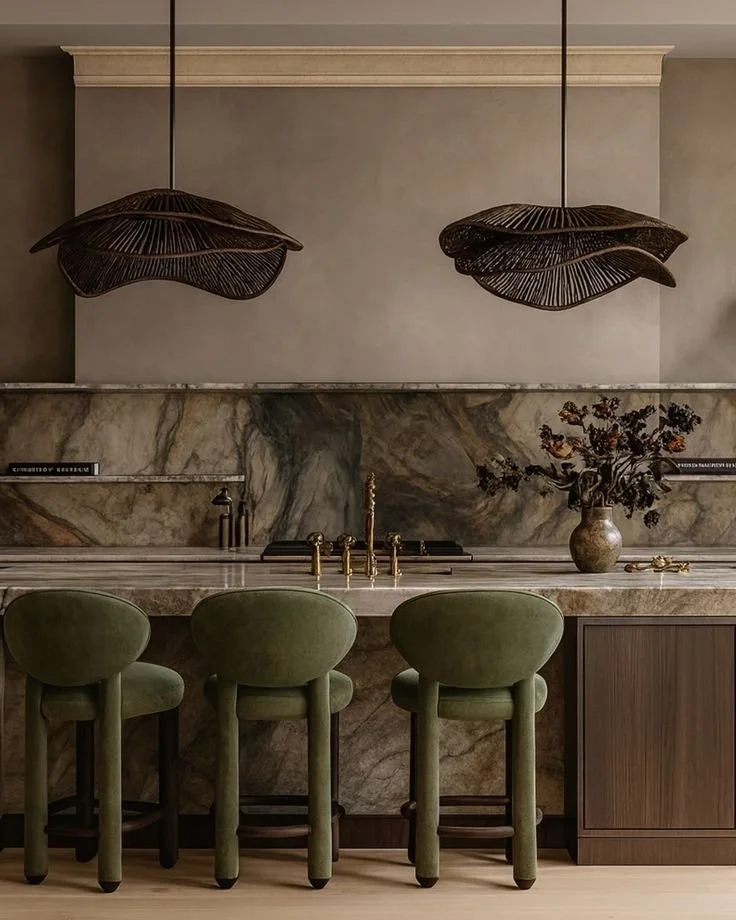
When combined intentionally, warm and cool tones create depth and dimension, preventing a space from feeling too flat or one-dimensional. The result is an interior that feels thoughtfully designed: comfortable, balanced, and uniquely personal.