The Rise of Multifunctional Living Spaces
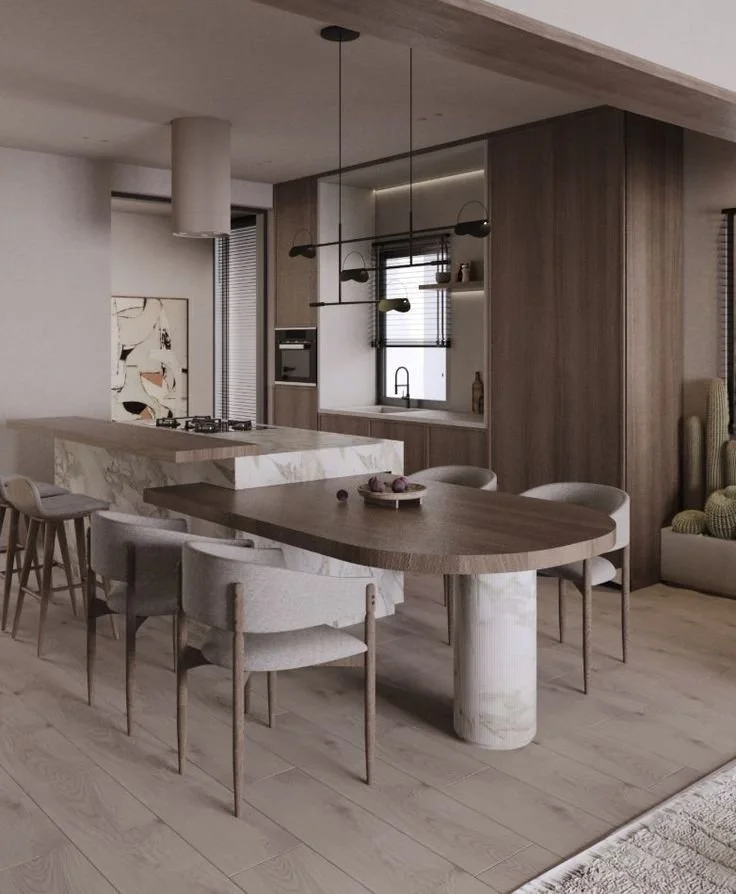
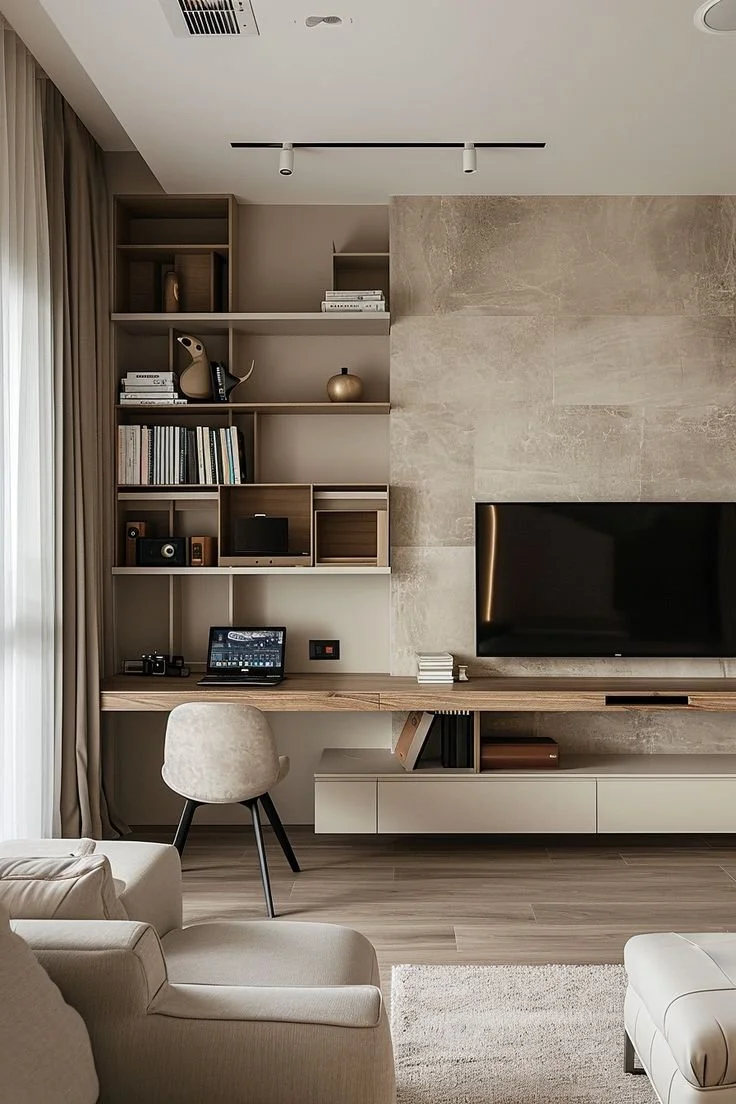
As the way we live continues to evolve, our homes are being asked to do more than ever before. A living room may double as a home office, a dining area may become a space for business dinners, and a guest room may serve as a personal retreat when visitors aren't staying over. This shift has made multifunctional living spaces one of the most important considerations in modern interior design.
The key to designing a successful multifunctional space is creating flexibility without sacrificing comfort or style. Thoughtful space planning allows each area to serve multiple purposes while still feeling intentional. A well-designed layout considers how people move through the room, how furniture is used throughout the day, and how different zones can work together seamlessly.
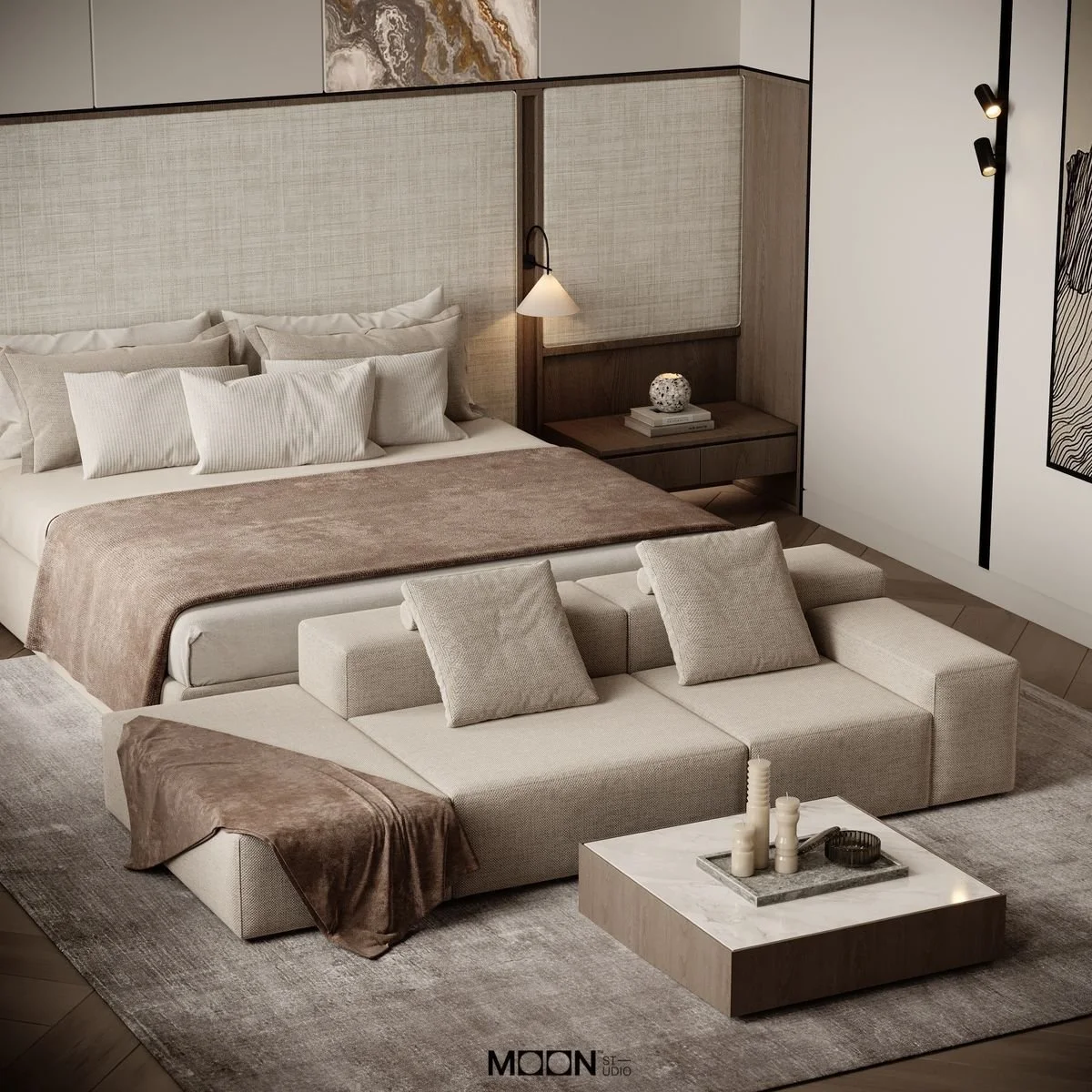
Furniture selection plays a major role in maximizing functionality. Pieces such as extendable dining tables, storage ottomans, modular sofas, built-in cabinetry, and fold-away desks allow a room to adapt to changing needs. These solutions help homeowners make the most of their square footage while keeping the space organized and visually appealing.
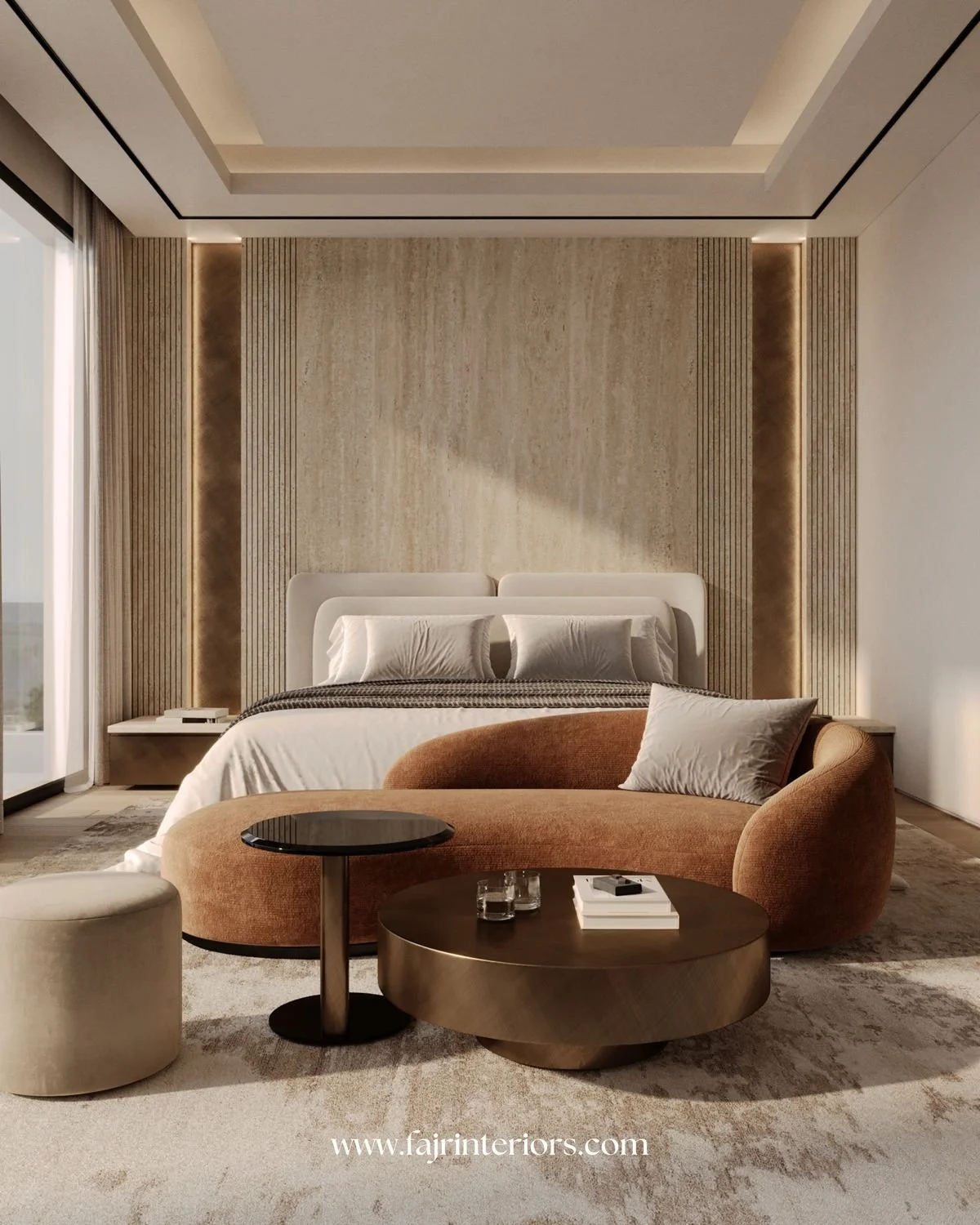
Multifunctional design is also about creating balance. A home office integrated into a living space should feel like part of the overall design rather than a temporary workspace. A guest bedroom can incorporate hidden storage or a desk area while still maintaining a welcoming atmosphere. Through thoughtful materials, color palettes, and furniture placement, every function can coexist harmoniously.
As homes become more dynamic, the need for adaptable spaces continues to grow. Multifunctional living isn't just about fitting more into a room. It's about designing spaces that support the many ways we live, work, relax, and connect. A well-designed home should be able to evolve with you, making everyday life more comfortable, efficient, and enjoyable.