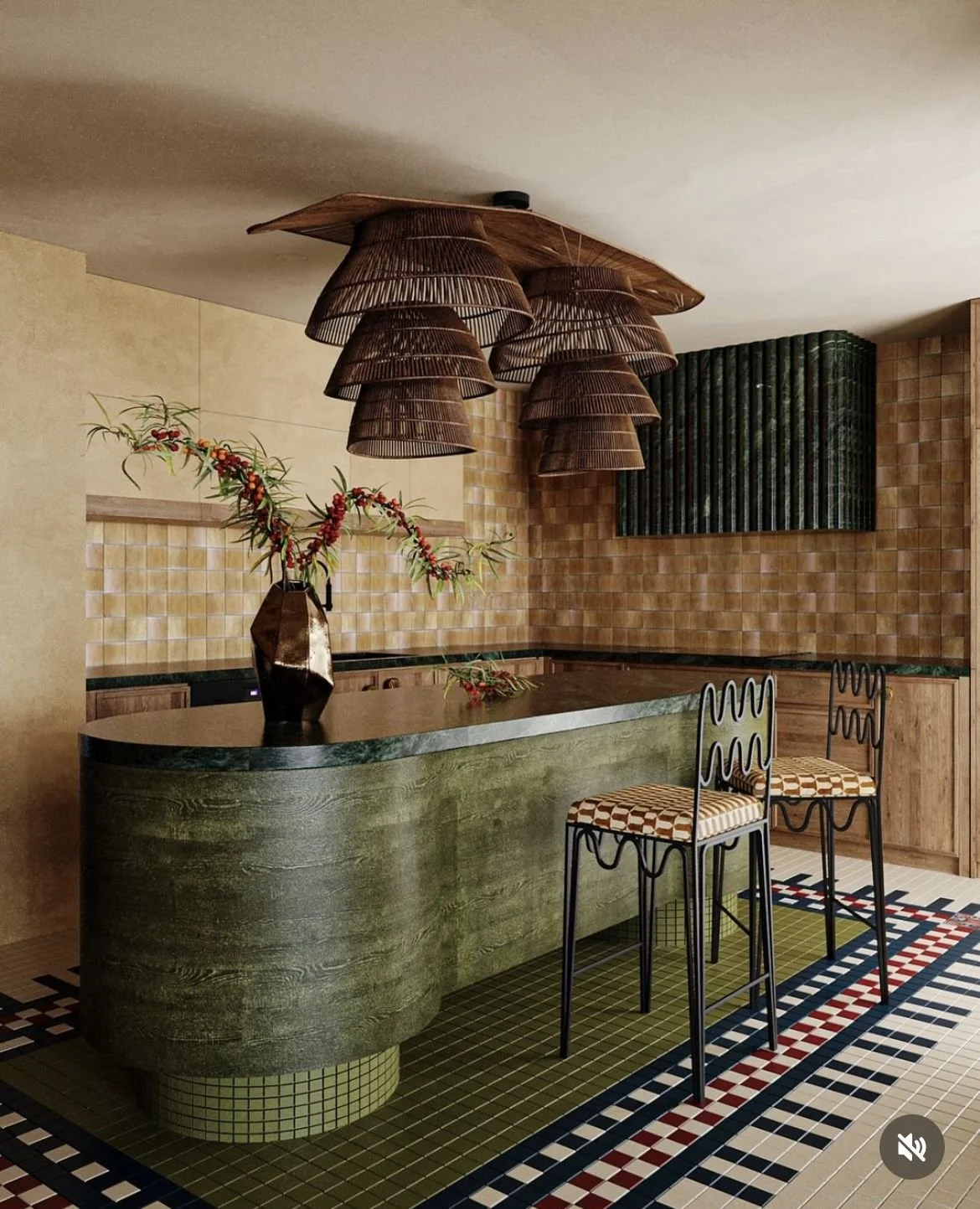
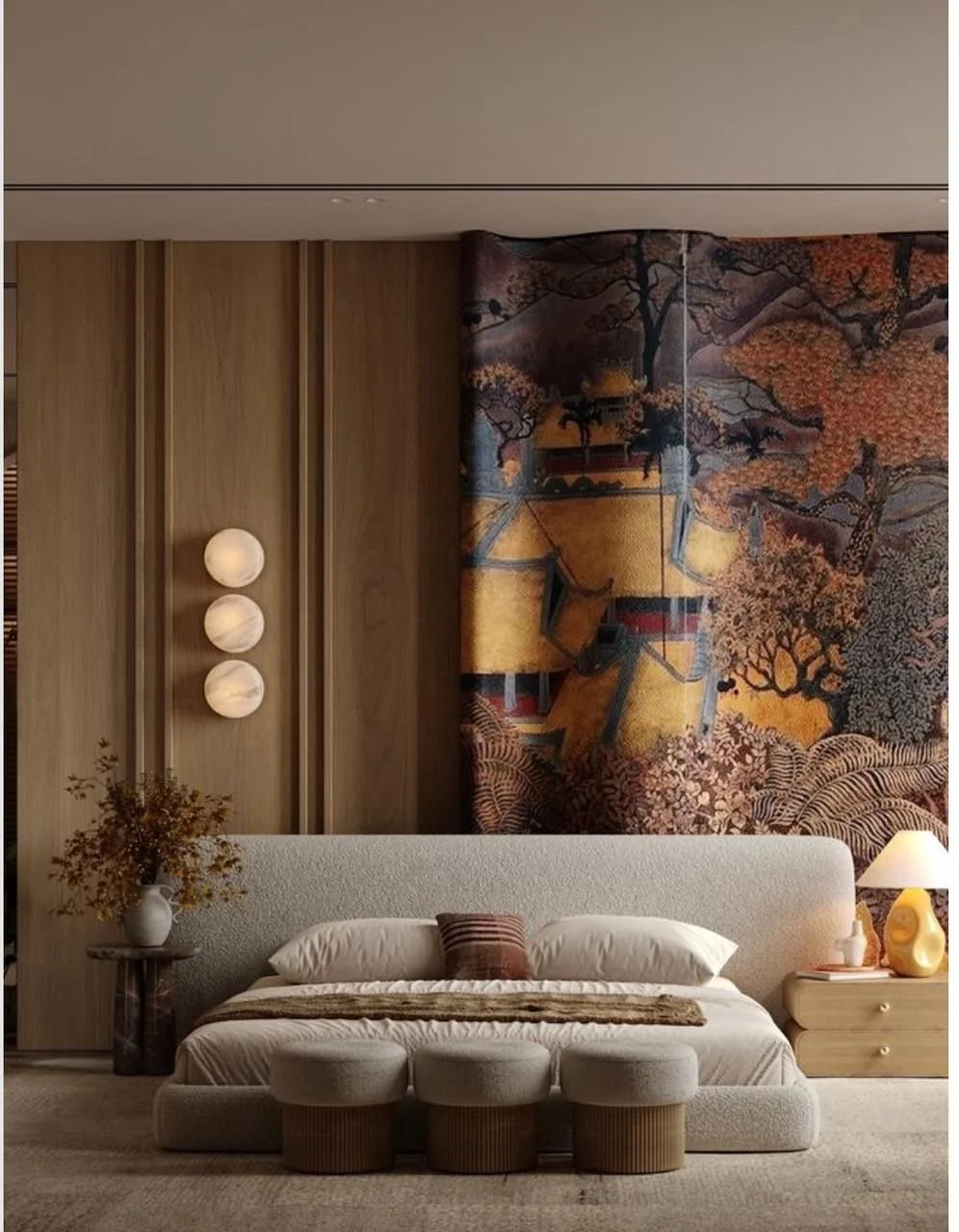
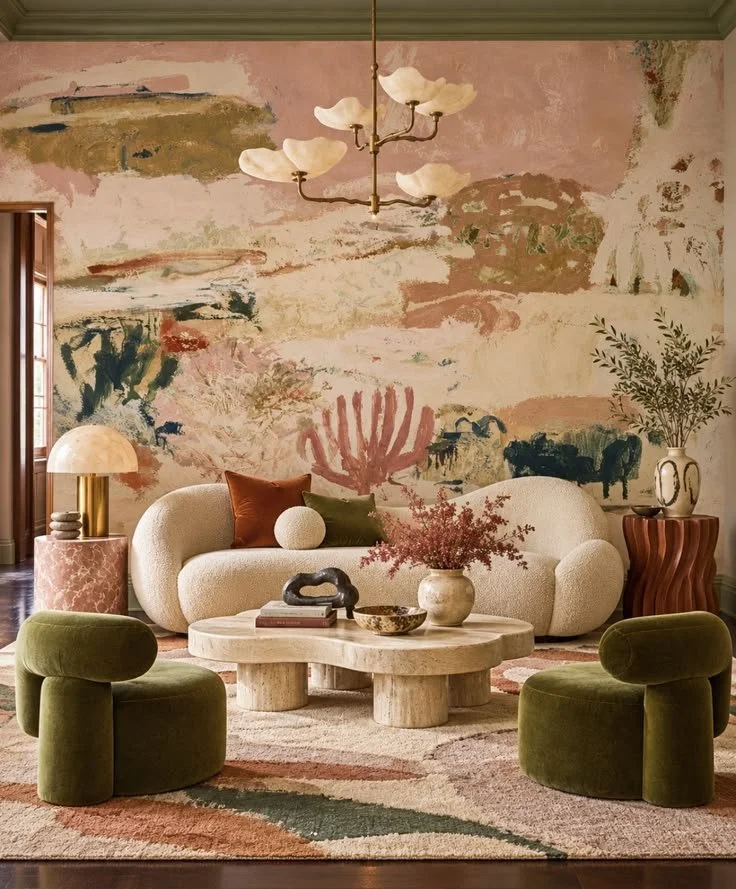
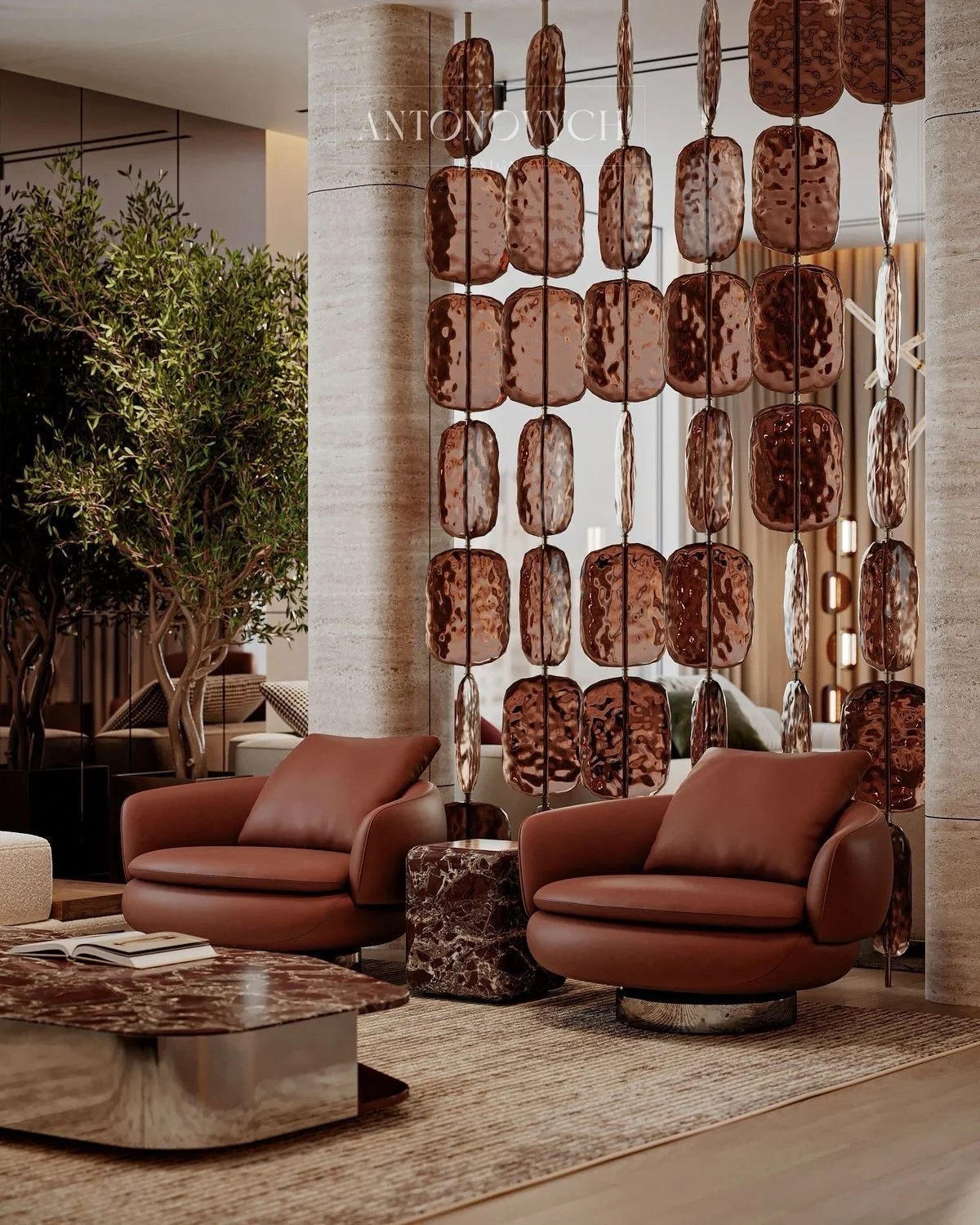
Patterns have the power to bring personality, energy, and visual interest into a space. From bold wallpapers and geometric rugs to floral fabrics and textured textiles, patterns can transform a room from simple to memorable. However, mixing multiple patterns requires thoughtful balance to ensure the space feels intentional rather than overwhelming.
The key to successfully combining patterns is finding a common thread. Patterns do not need to match perfectly, but they should share at least one connecting element, such as color, scale, or style. For example, a floral fabric and a geometric pillow can work beautifully together when they share similar tones or complement the room's overall color palette.
Scale is another important factor. Mixing patterns with different sizes creates depth and allows each design element to stand out. A large-scale pattern, such as a statement wallpaper or oversized rug, pairs well with smaller, more subtle patterns like delicate prints or textured fabrics. Using too many patterns of the same scale can make a room feel visually busy.
Balance is also essential. When incorporating bold patterns, allow quieter elements to provide a visual break. Solid colors, natural materials, and simple furniture silhouettes can help ground the design and give the eye places to rest. Not every piece in a room needs to make a statement. Some elements should support the overall composition.
Patterns can also be used to highlight specific areas of a space. A patterned accent chair, decorative tile backsplash, or statement wall can create a focal point without overpowering the room. Layering patterns thoughtfully allows you to add personality while maintaining a cohesive design.
Ultimately, mixing patterns is about creating harmony between contrast and connection. By considering color, scale, and balance, patterns can work together to create a space that feels layered, expressive, and uniquely yours.