The Importance of Negative Space in Design
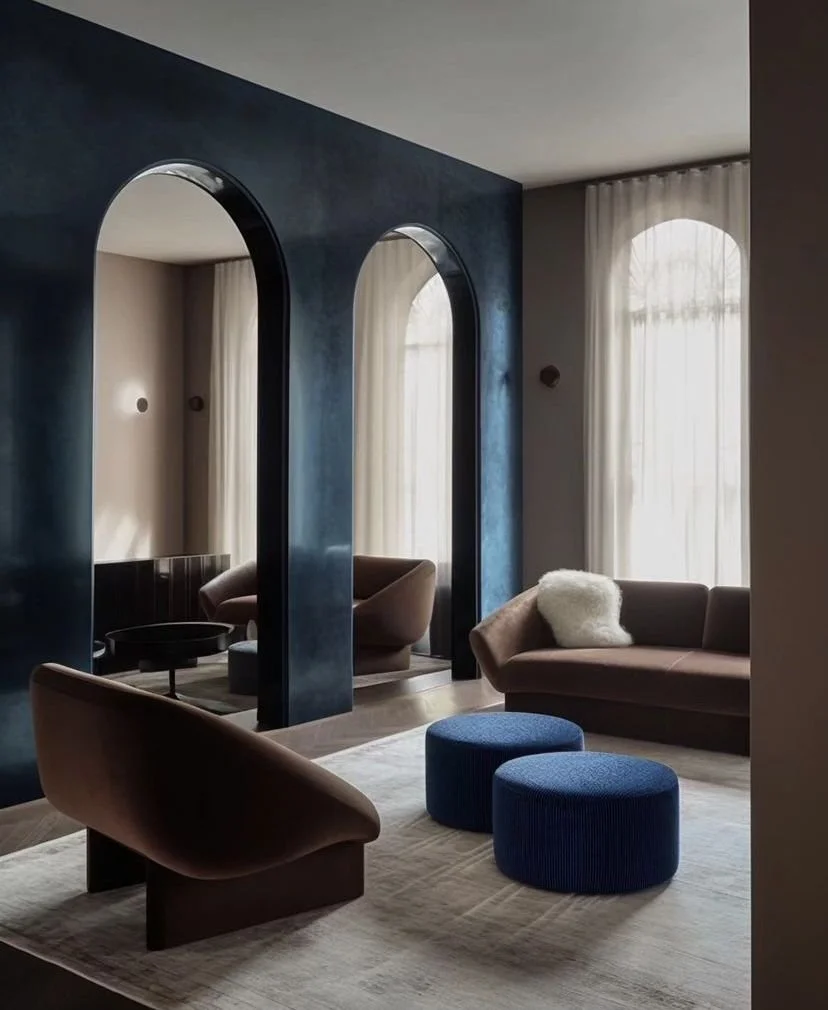
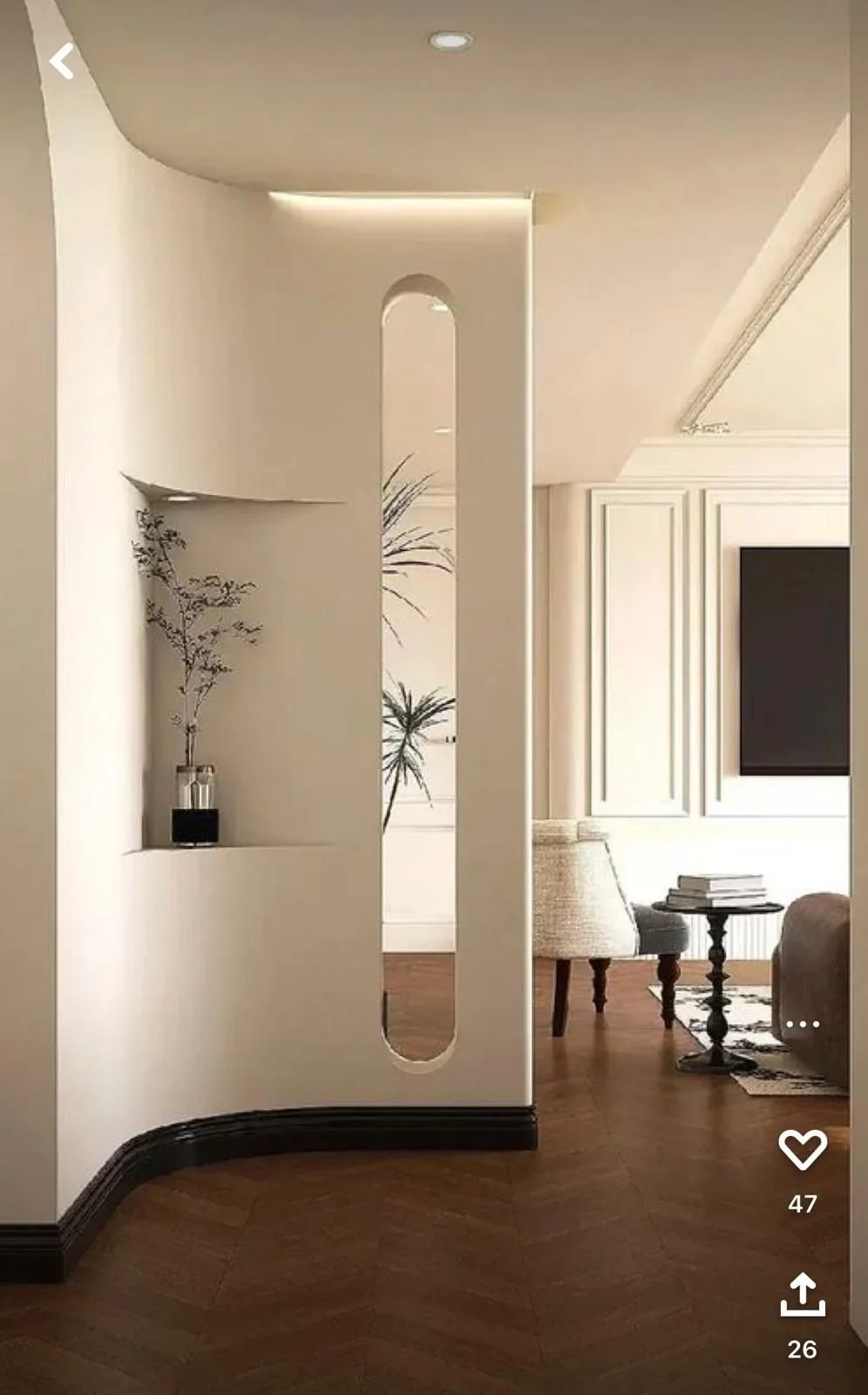
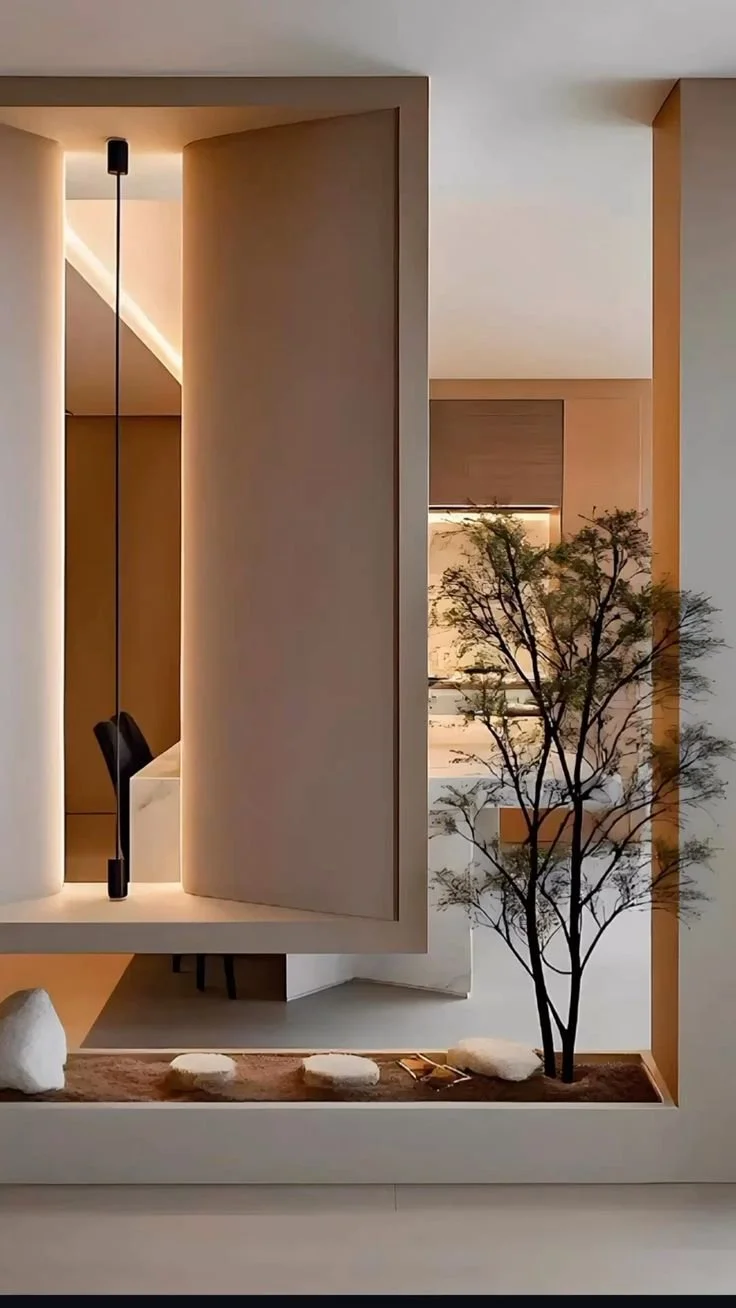
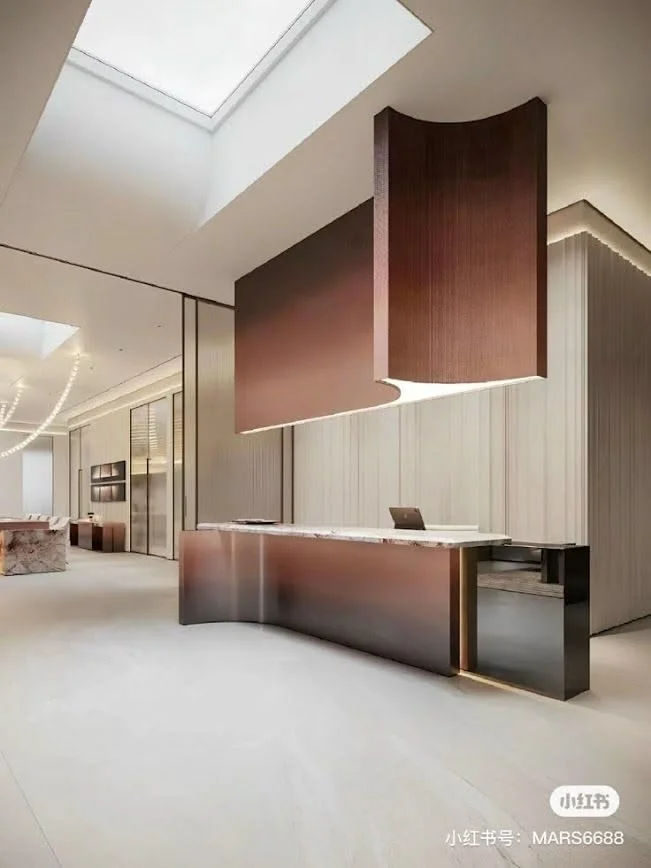
When designing a space, it can be tempting to focus on what to add: furniture, artwork, décor, and architectural details. However, one of the most powerful elements in interior design is often what is left open. Negative space, also known as “breathing room,” is the intentional use of empty areas within a space to create balance, harmony, and visual clarity.
Negative space allows the eye to rest and helps important design elements stand out. Without enough open space, a room can feel crowded, overwhelming, or visually chaotic. By carefully considering spacing between furniture, wall décor, and architectural features, designers can create a sense of openness and allow each piece to have its own presence.
This concept is especially important in creating a sense of balance. A beautifully designed room is not simply a collection of beautiful objects. It is the relationship between those objects and the space around them. A statement piece of artwork becomes more impactful when it has room to breathe, and a unique piece of furniture feels more intentional when it is not competing with too many surrounding elements.
Negative space also influences how a room functions. Thoughtful spacing improves movement and flow, making a home feel more comfortable and intuitive to navigate. Proper circulation paths, open sightlines, and carefully planned layouts allow spaces to feel larger and more welcoming.
Minimalist interiors often embrace negative space as a defining feature, but this principle applies to every design style. Whether it is a modern home with clean lines, a traditional space filled with character, or an eclectic room with layered details, intentional space creates balance and prevents the design from feeling overwhelming.
Great design is not only about what you include, but it is also about knowing what to leave out. By embracing negative space, a room can feel more peaceful, sophisticated, and thoughtfully composed.